Retouching Glass Plate Negatives & Dry Plate Lecture at University of Udine

Why Sharing Dry Plate Knowledge Matters
Not long ago, I was invited by the Fotonomia Association to visit the University of Udine and give a class on making dry plates. It felt especially meaningful, because in the past few years I have been deeply immersed in building the business and rarely had the chance to travel and share dry plate photography through in person classes. Most of my energy went into private workshops in Slovenia, creating videos, writing blogs, developing user manuals, and refining the tools themselves.
For me, dry plate photography is not just a technique. It is a responsibility to share knowledge, spread the beauty of plate photography, and prevent it from slowly fading into oblivion. If knowledge is not passed on, it disappears. Anyone who experiences dry plates in person, watches an image come to life in the darkroom, and feels the physical weight of a glass negative in their hands is instantly enchanted by the process. That moment changes people and makes them want to continue.
This is exactly how the Zebra Dry Plates brand grew so quickly and organically. People are tired of photography that exists only as data. Digital photography has many advantages, but it often lacks physical presence. Consciously or unconsciously, people long for something real, something they can hold, something created with effort, patience, and passion.
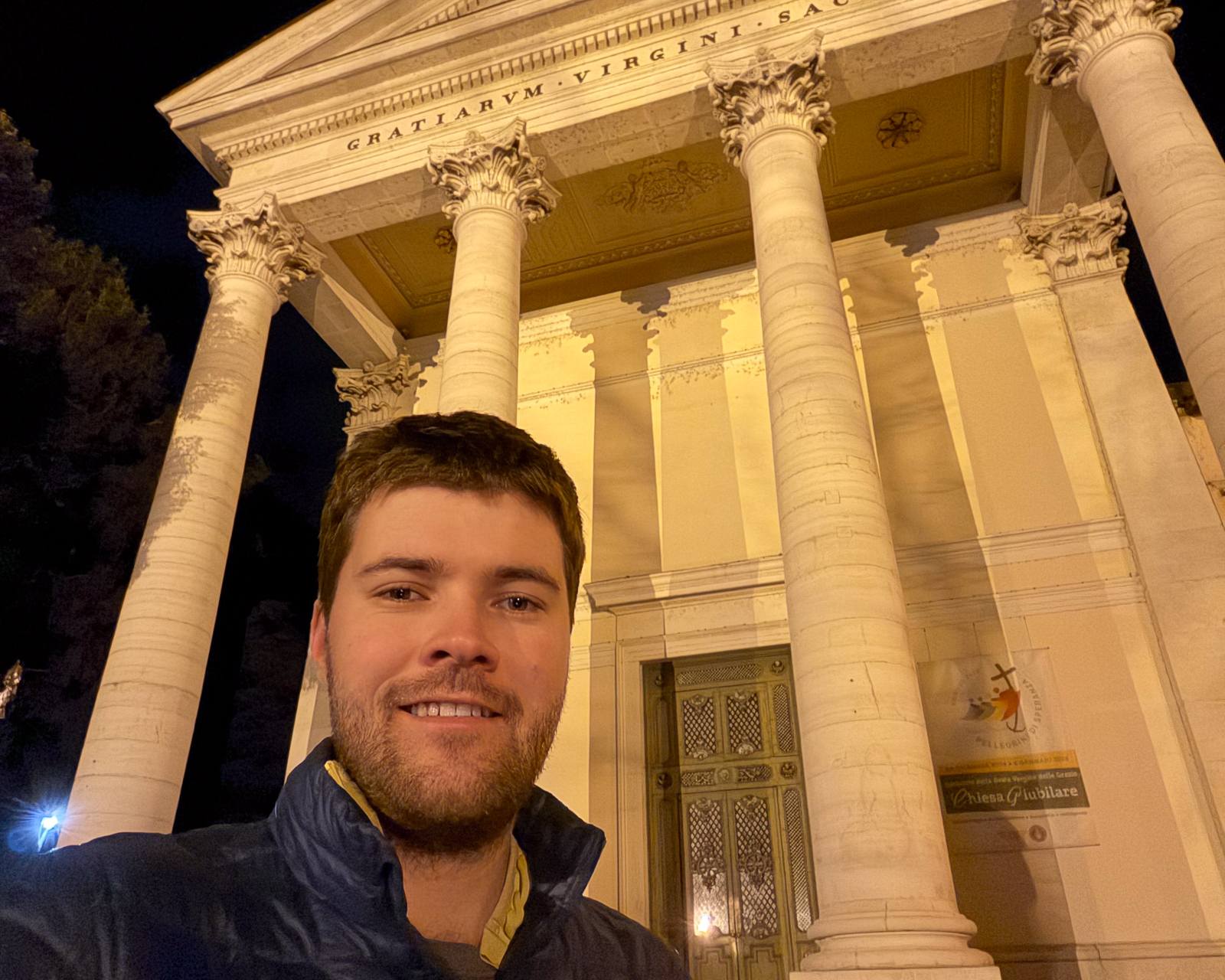
Arrival in Udine and Meeting the Conservators
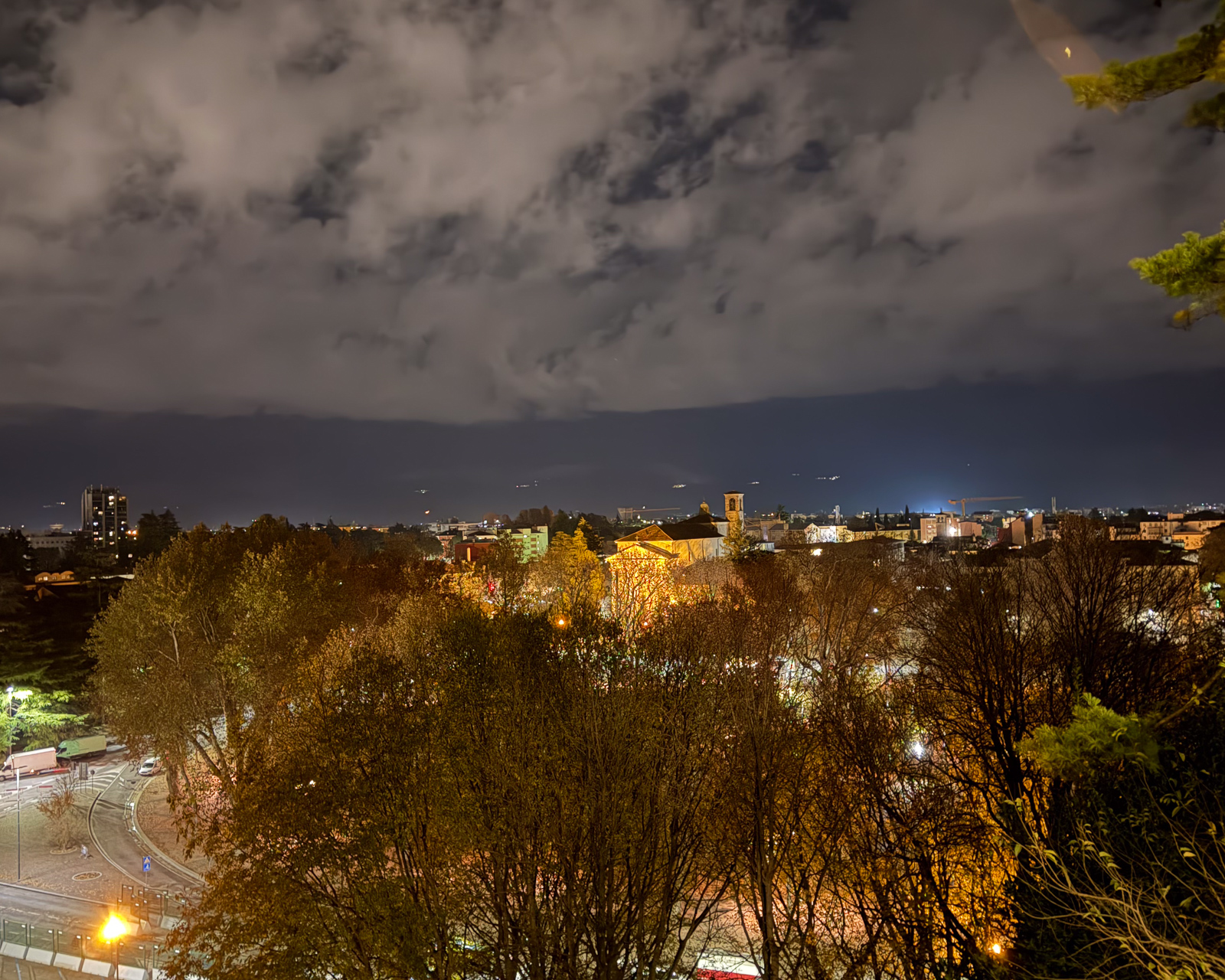
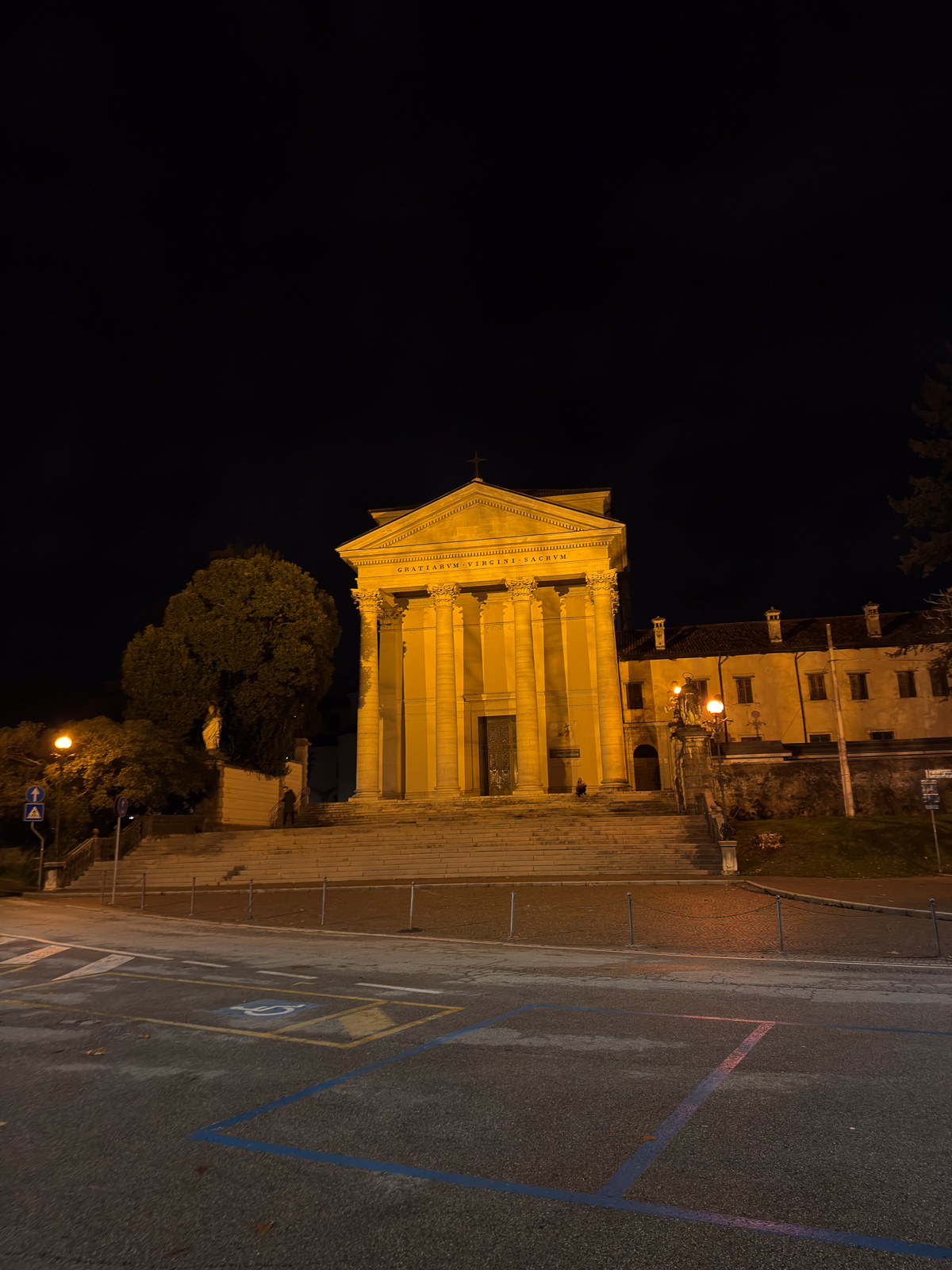
I arrived in Udine a day early, which gave me the chance to explore the city on foot. Udine is a beautiful place, calm and welcoming, with outstanding food and a relaxed atmosphere that immediately makes you feel at home.
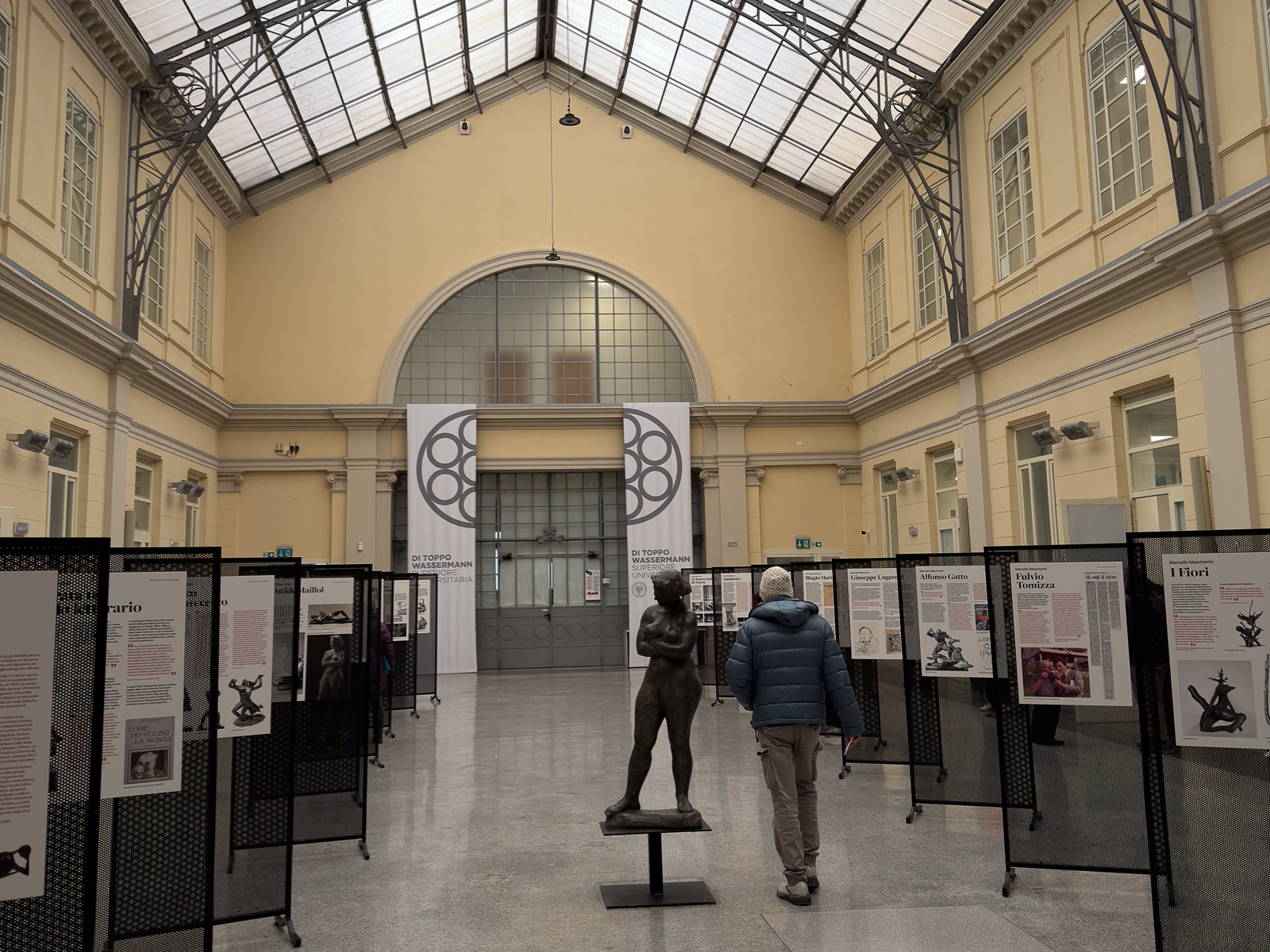
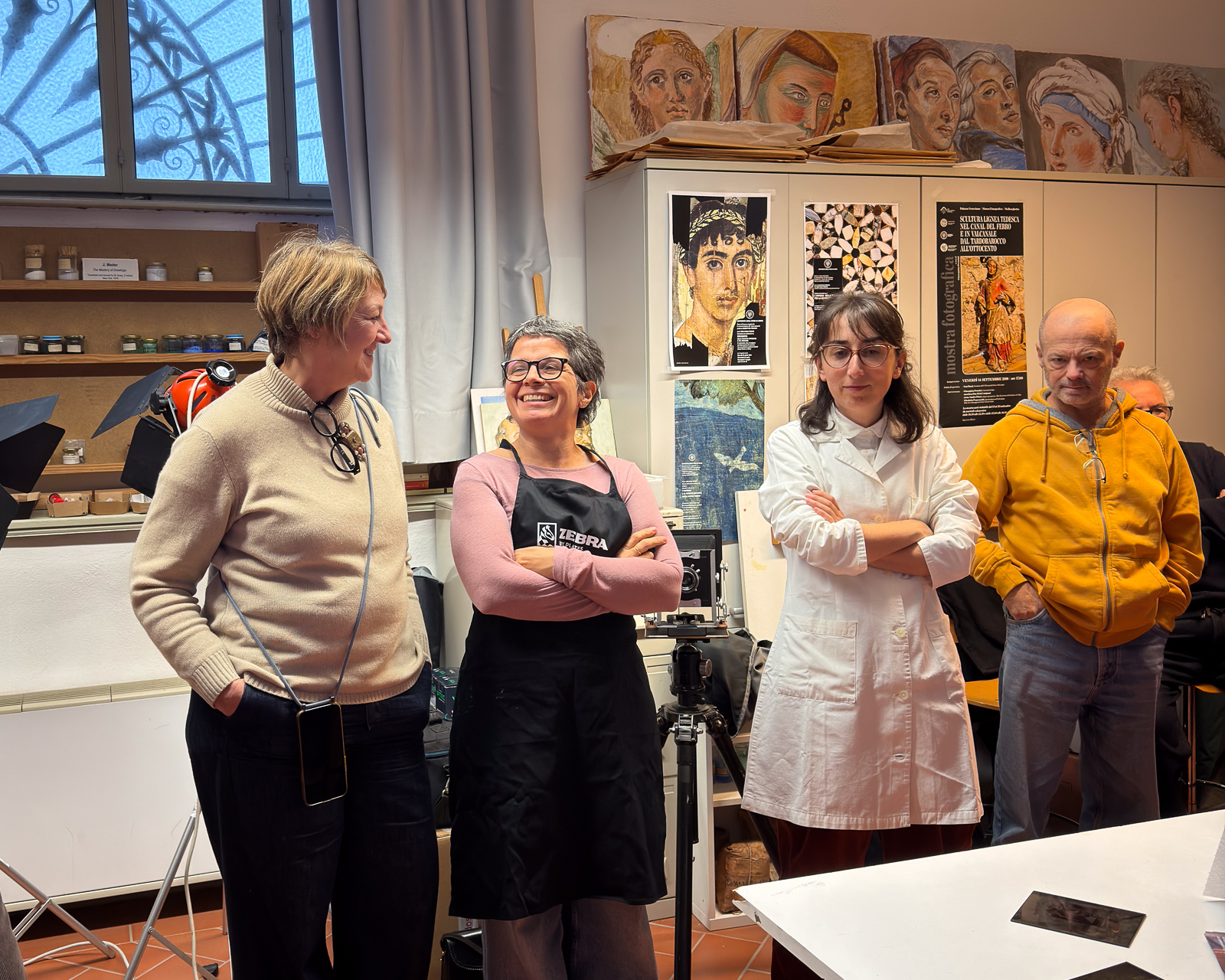
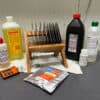
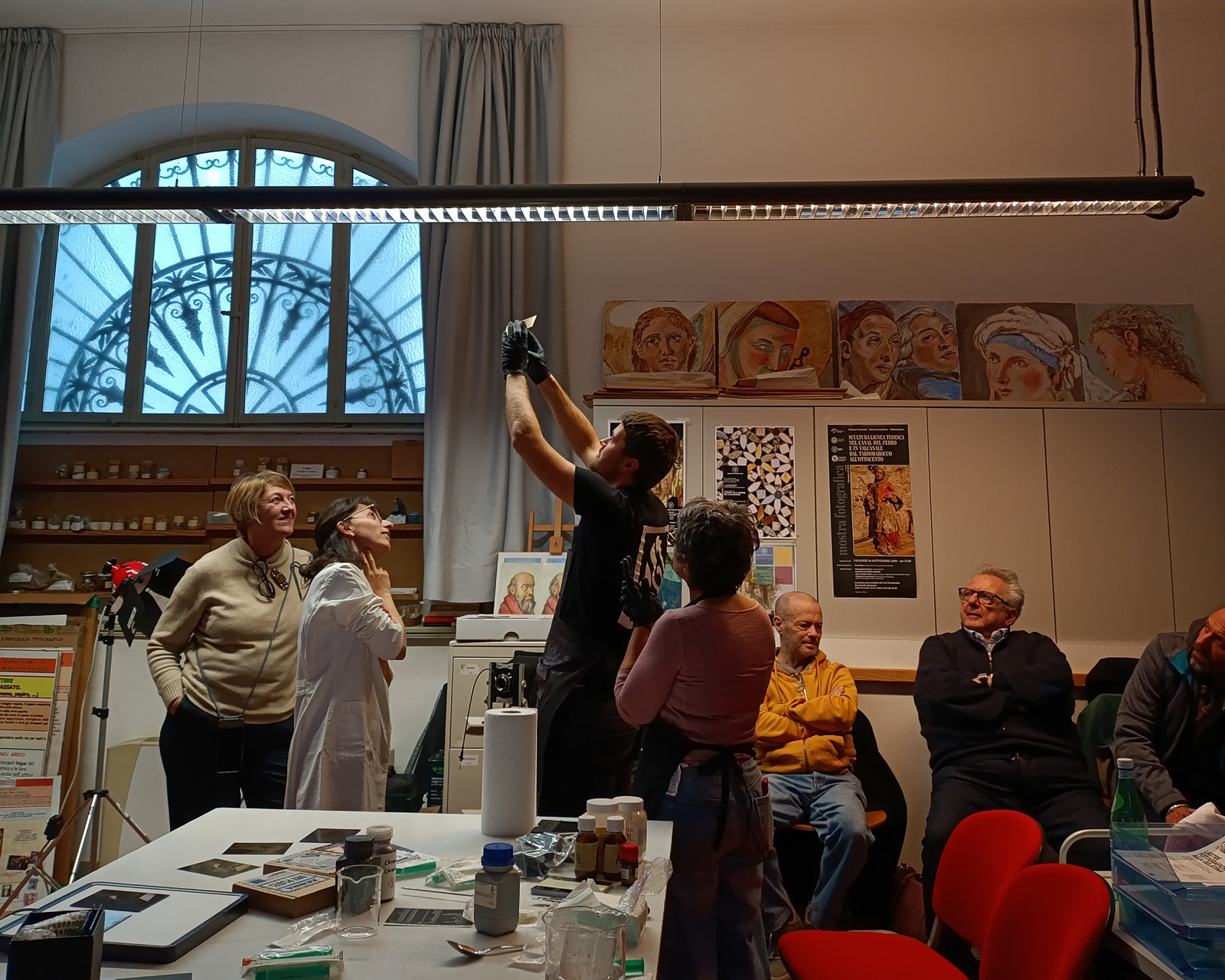
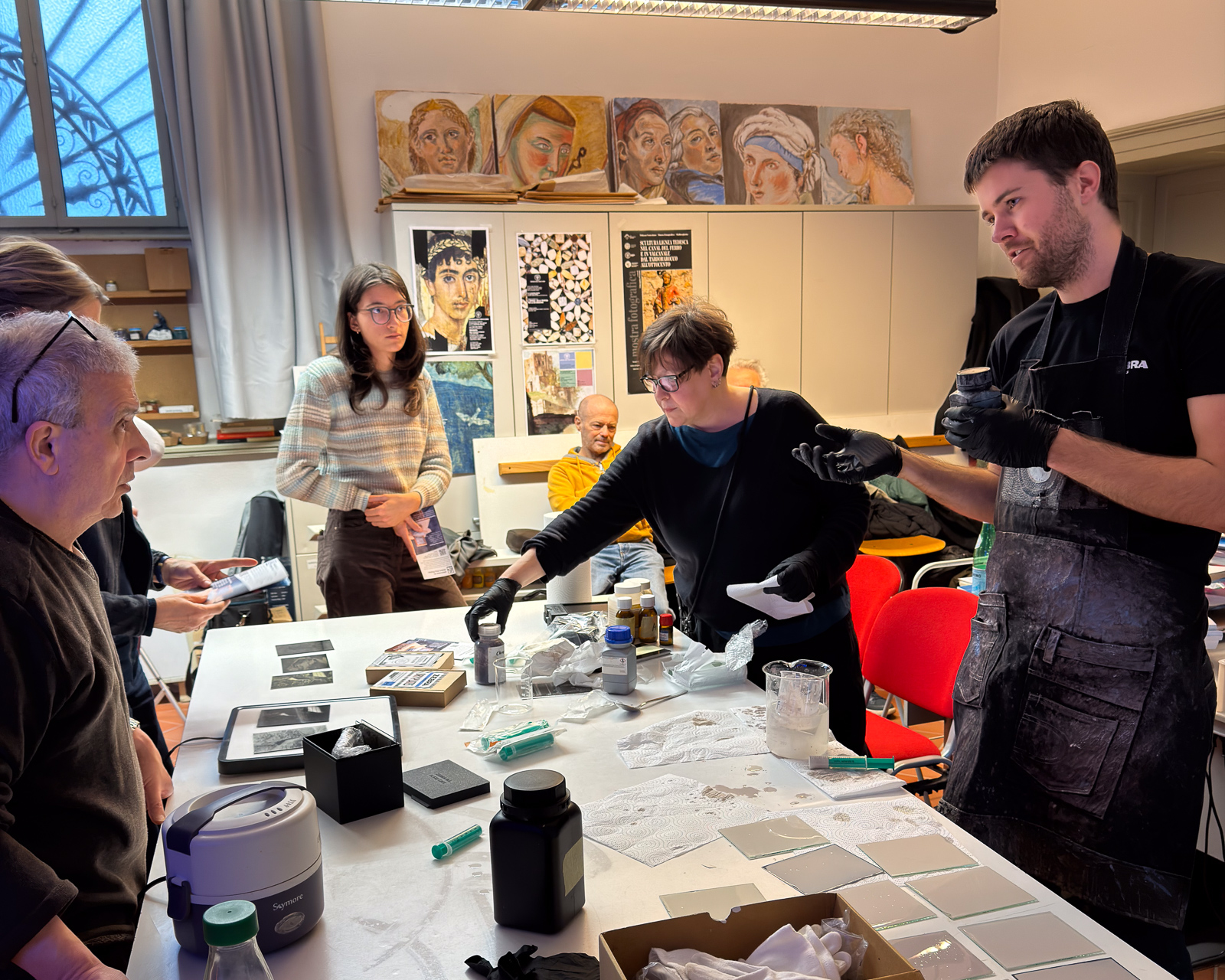
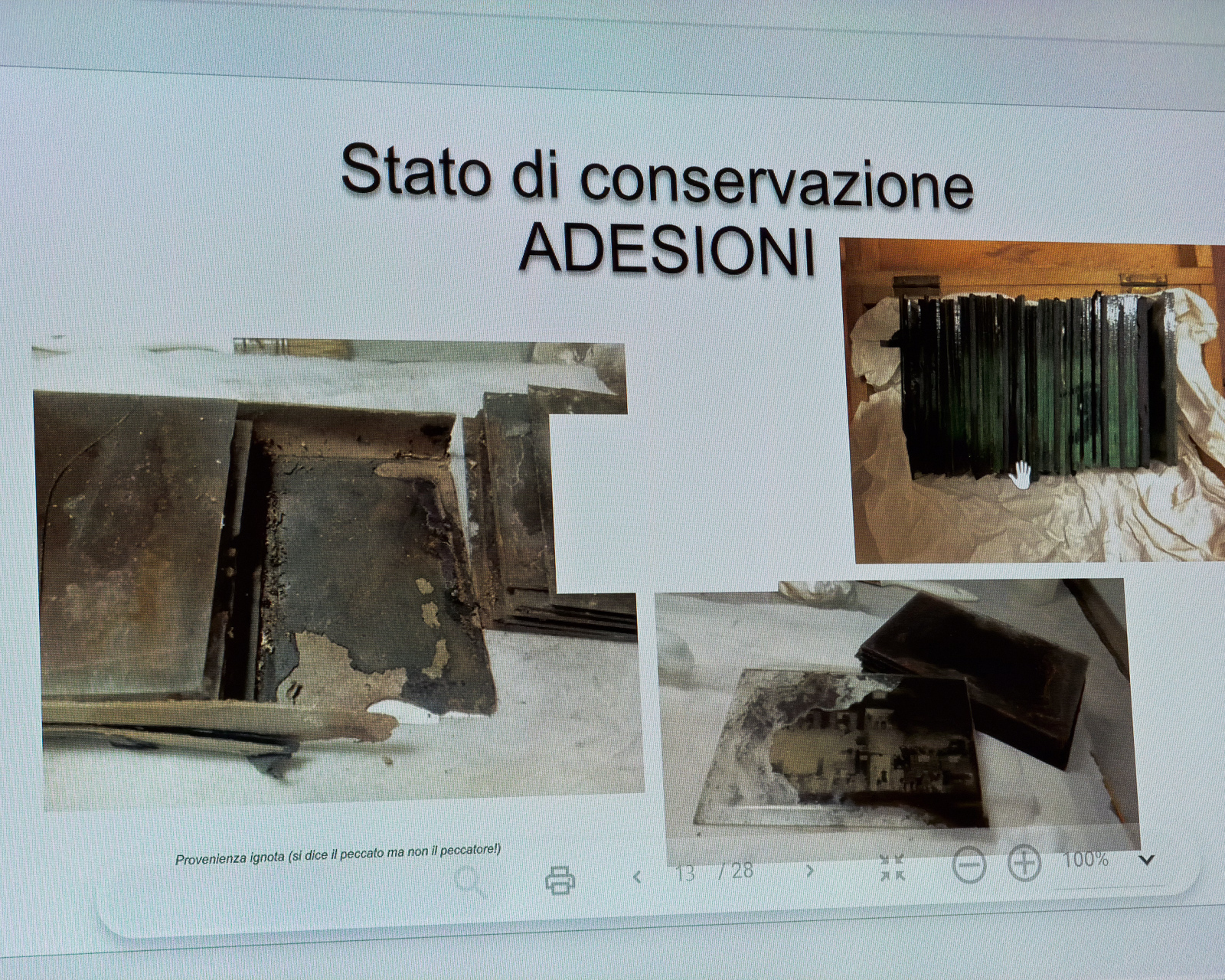
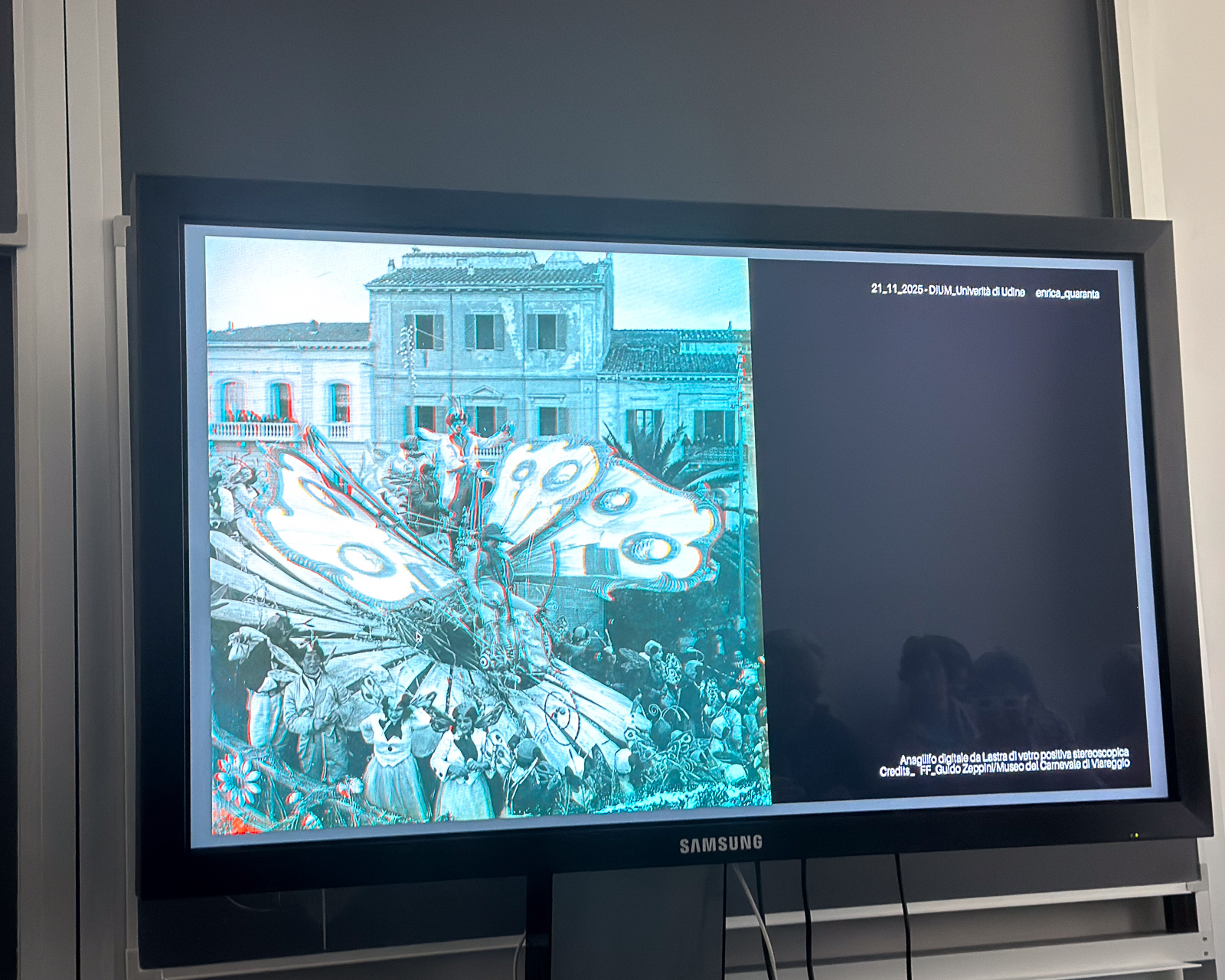
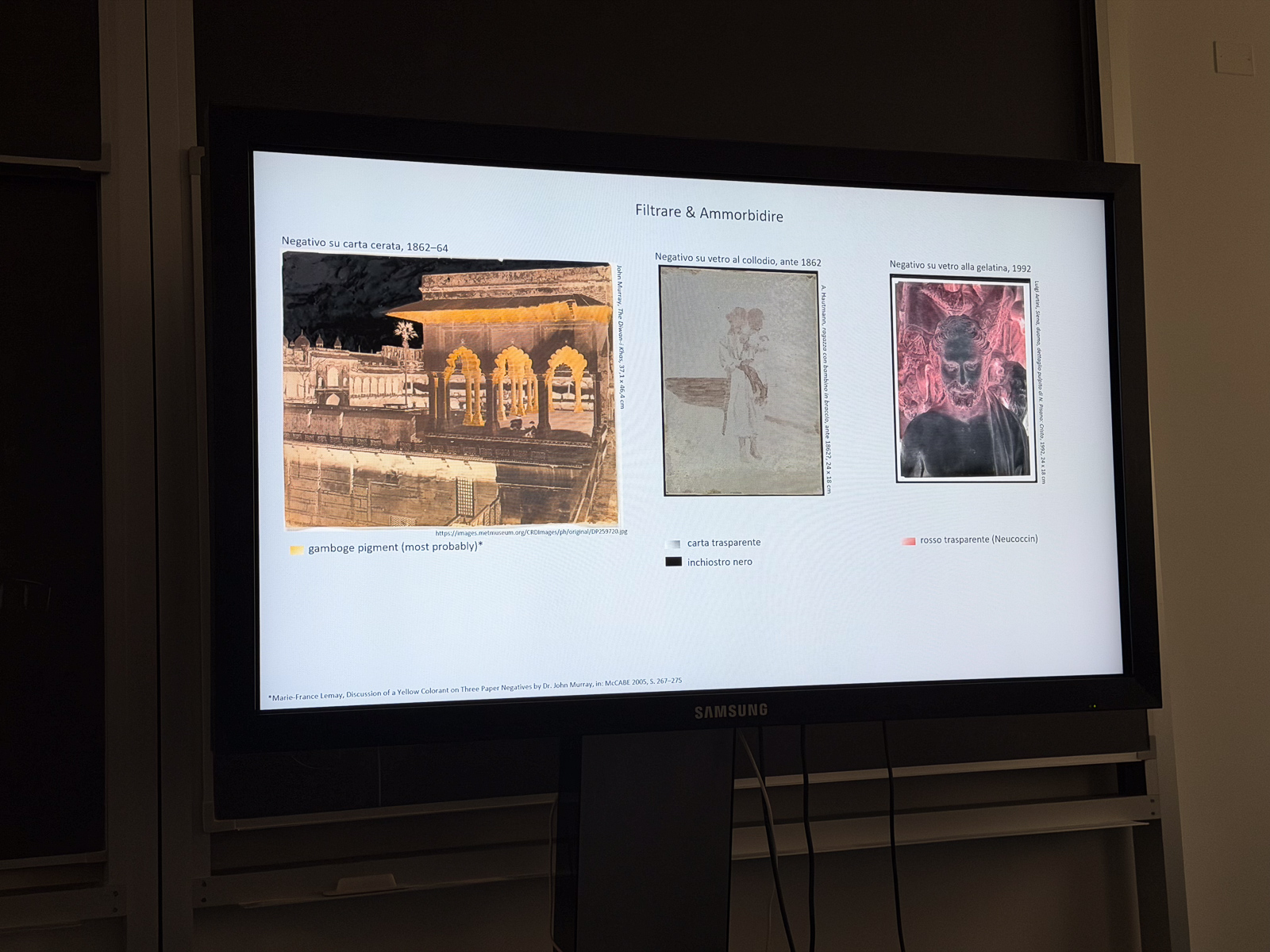
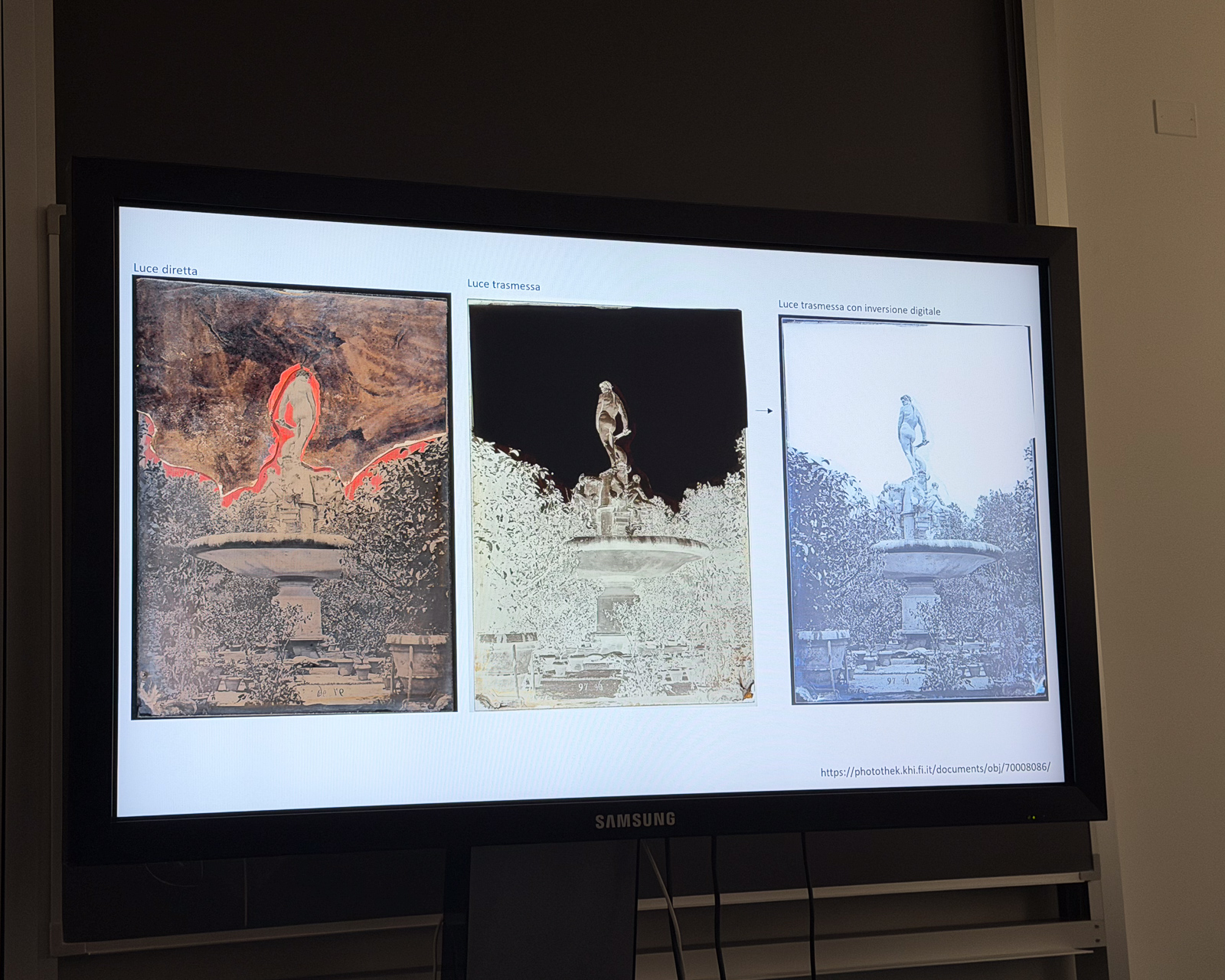
What made this event especially exciting was that I was not the only one giving lectures. Alongside my presentation were conservators and restorers specializing in historic photographic processes, including Barbara Cattaneo, Dagmar Keultjes, Eugenia Di Rocco, and others. Their work was fascinating to observe. They explained how photographs were retouched in the past, how imperfections were corrected for final prints, and how historic glass plates are preserved and cared for today.
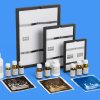
There is an enormous amount of knowledge in this field, and I realized how much there still is to learn, both personally and for the future development of Zebra. Dry plate photography is all about process. The idea of offering a physical retouching kit and manual in the future feels like a natural continuation of this philosophy. After all, why perfect an image digitally when you can work directly on the negative itself, by hand, without Photoshop, using traditional tools and techniques?
Seeing how retouching was done in the past made me think a lot about the future of dry plate photography. Working directly on the glass negative, correcting small imperfections, and refining the final image with physical tools is a deeply satisfying continuation of the photographic process. It feels like a natural extension of shooting and developing plates. This raised an interesting question for me, and I would genuinely love to hear your thoughts: would you be interested in seeing Zebra offer traditional retouching kits and a practical manual, allowing you to refine your glass plate negatives by hand, without digital tools?
Teaching Dry Plates and Live Coating
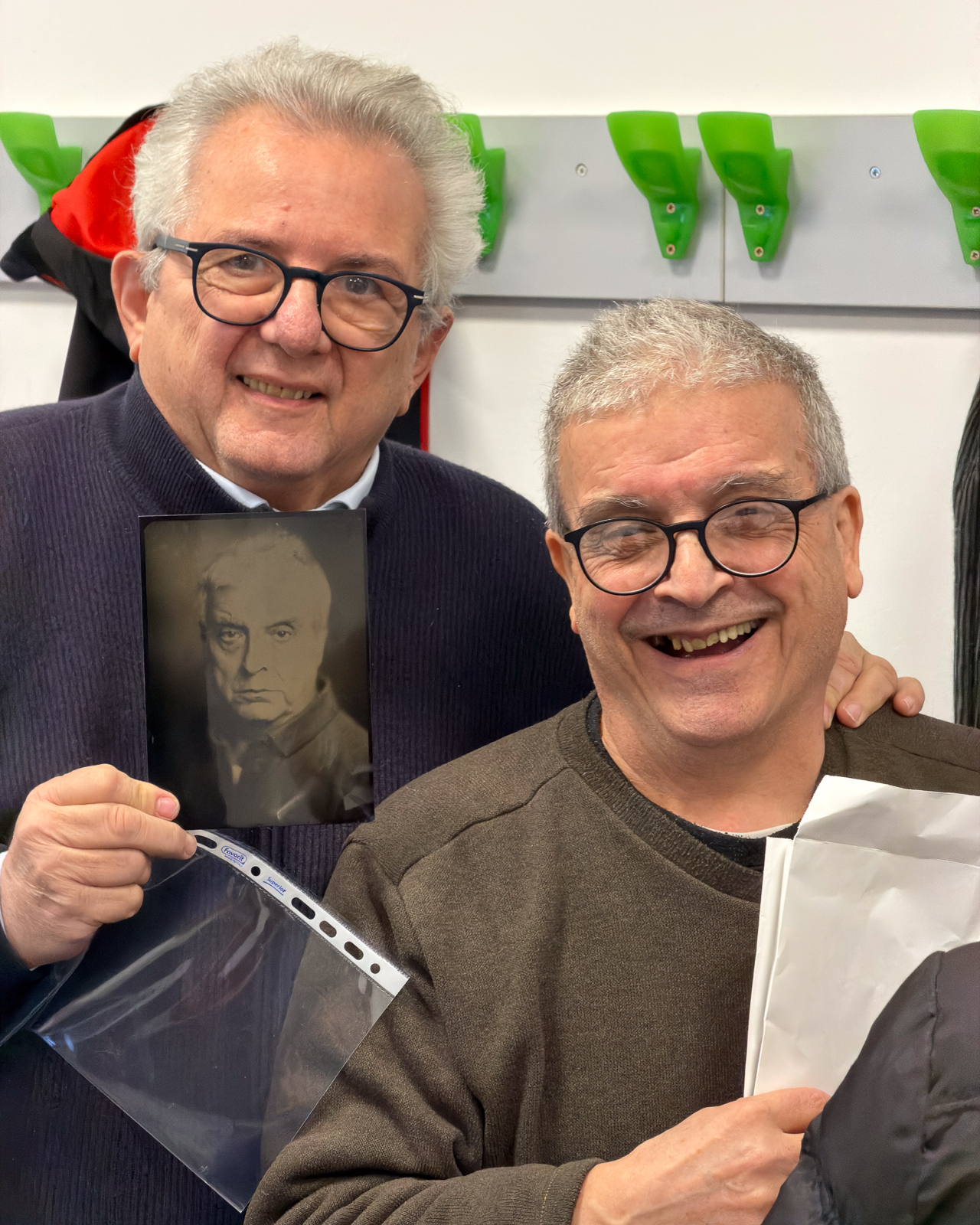
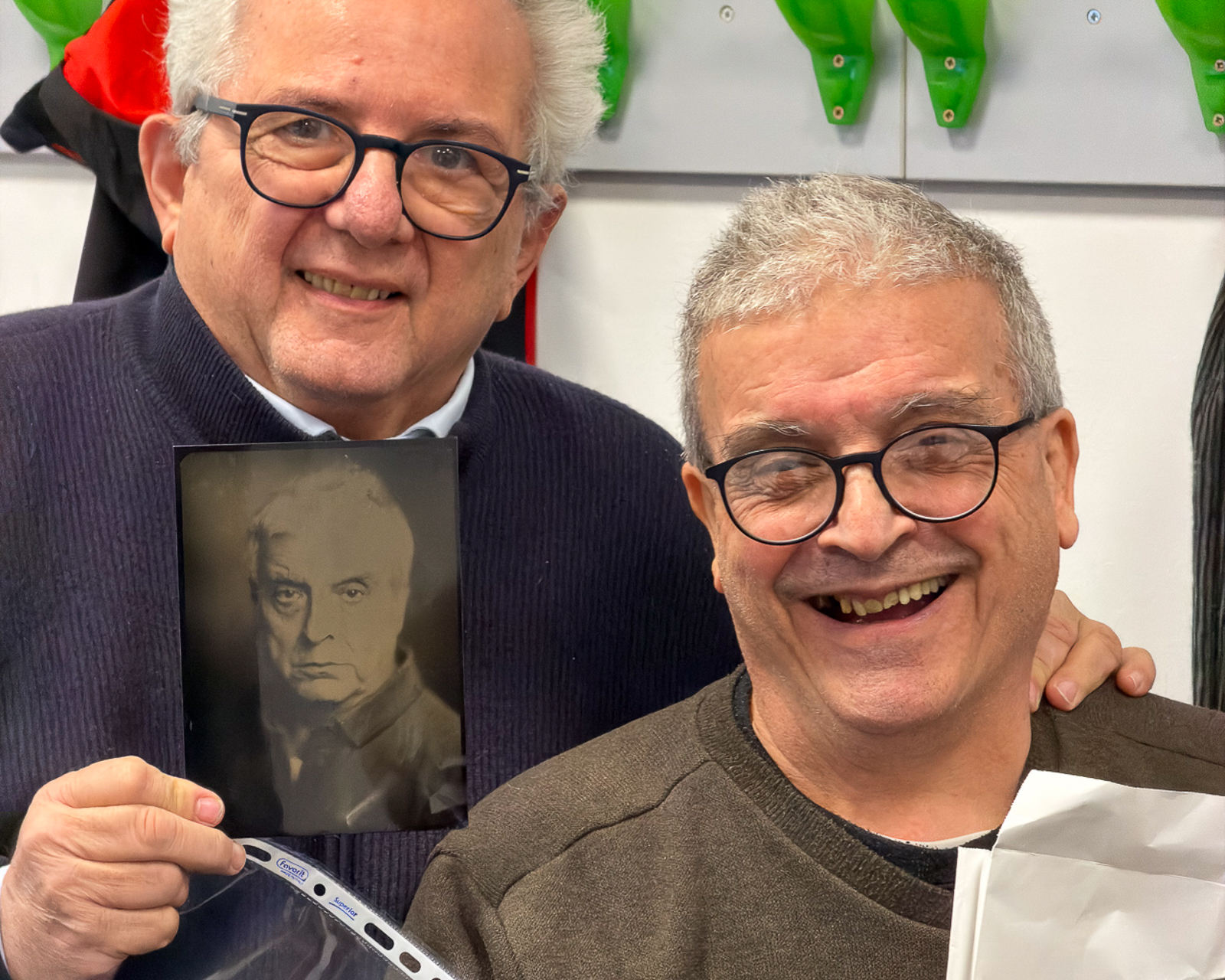
After these inspiring lectures, it was my turn to step in front of the audience. Before we even started, two gentlemen approached me who were already familiar with my work. They use Zebra Dry Plates in their everyday photographic practice, and talking with them reminded me why all of this effort matters. Hearing how much joy and satisfaction the plates bring to others is always deeply motivating.
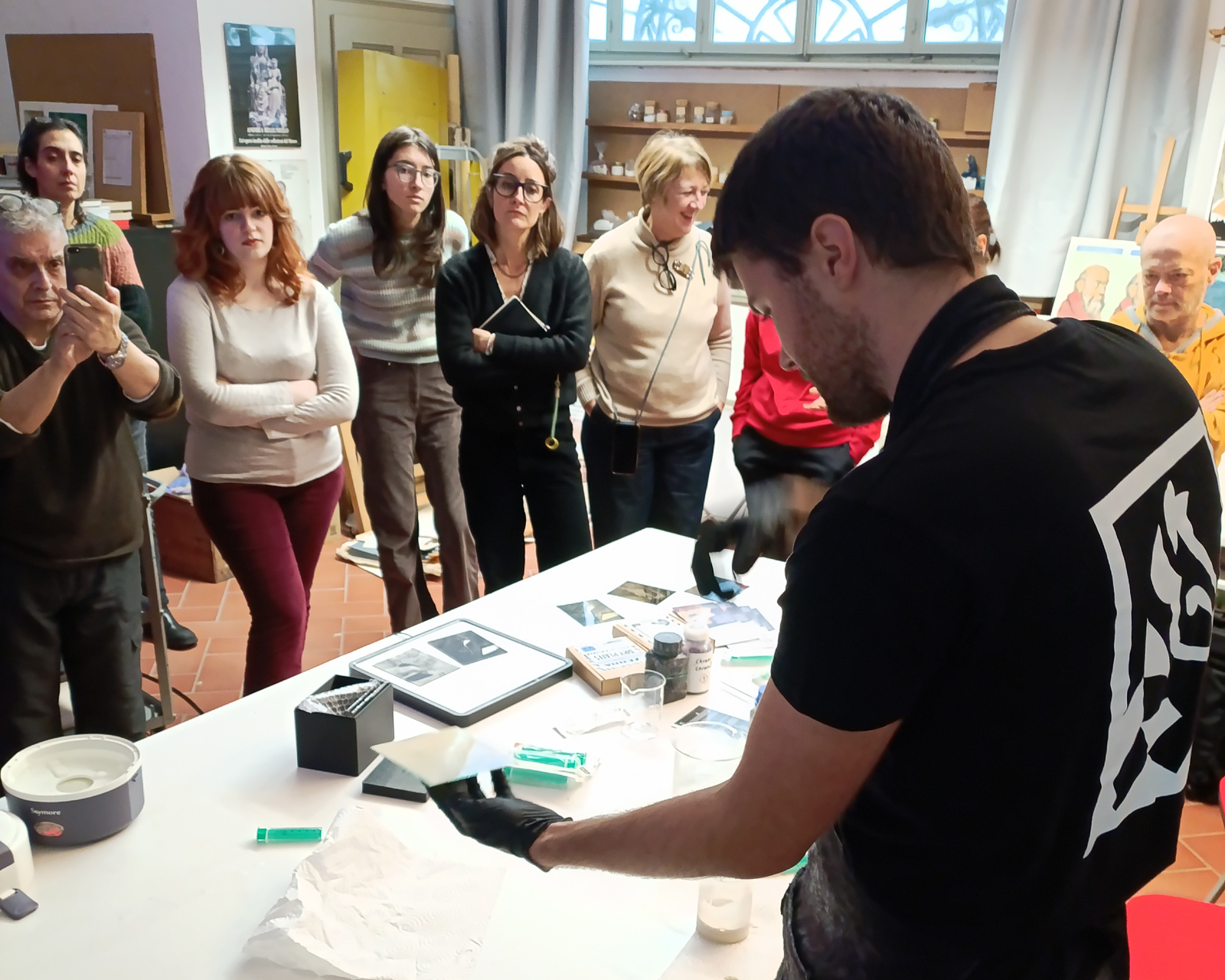
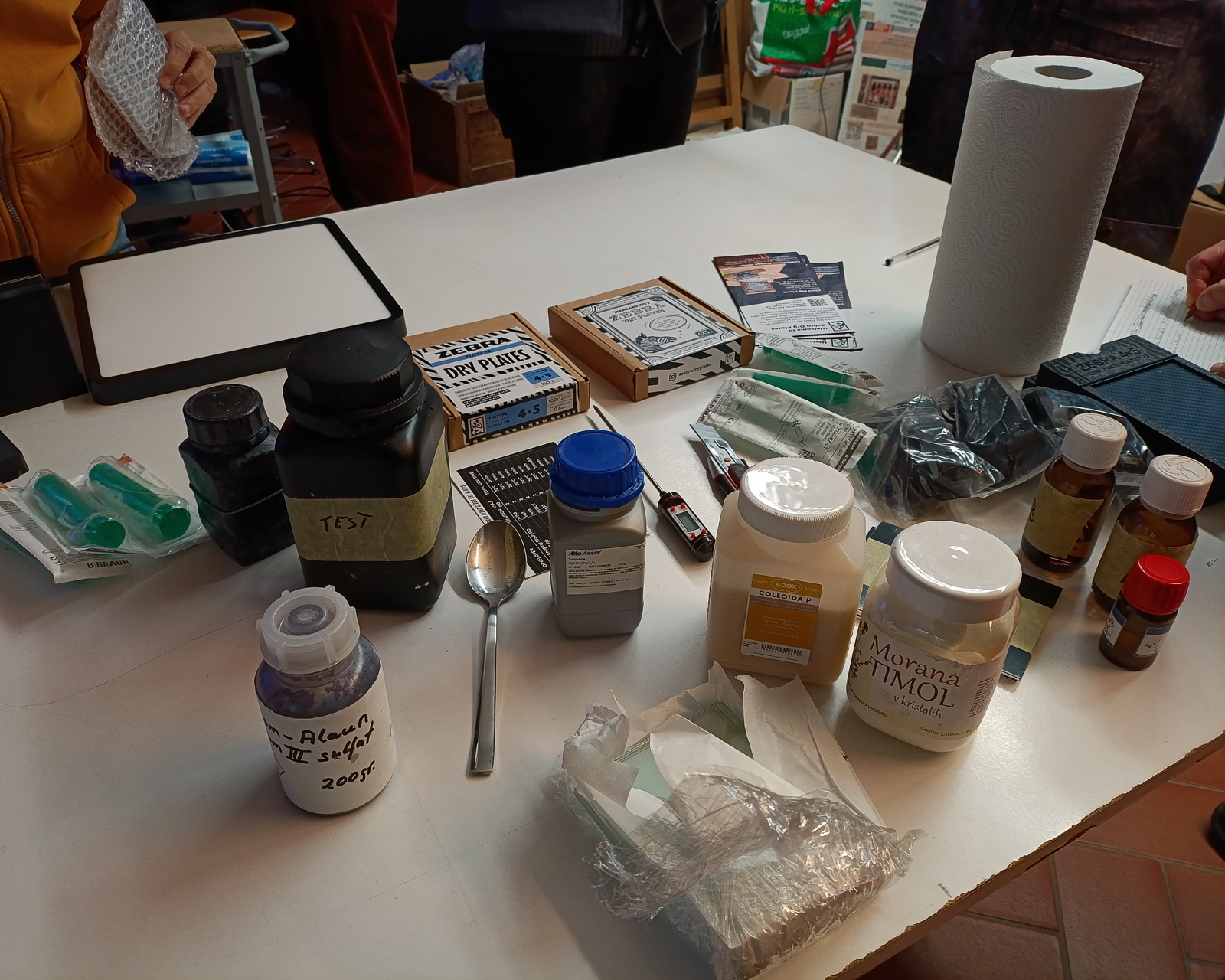
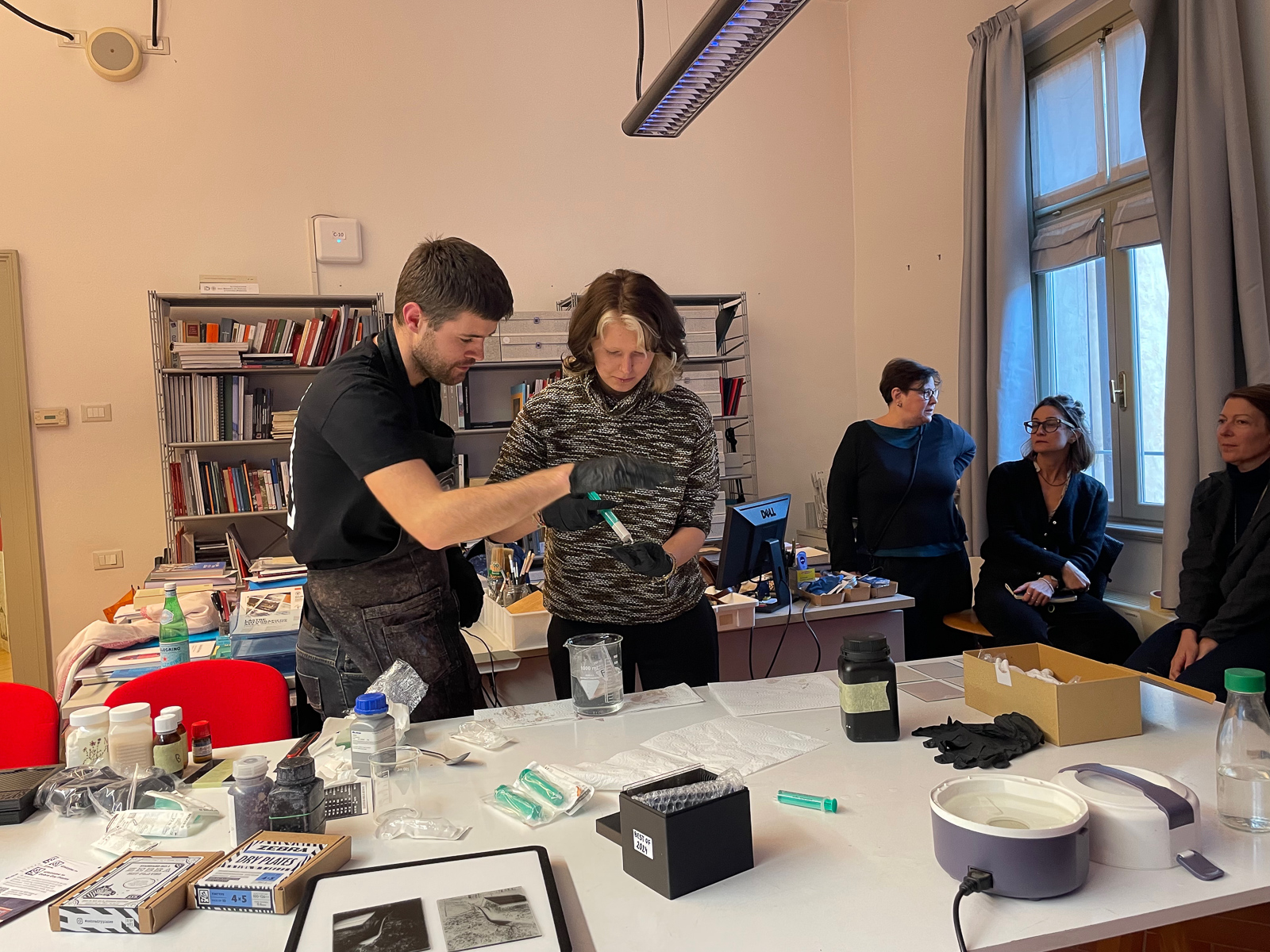
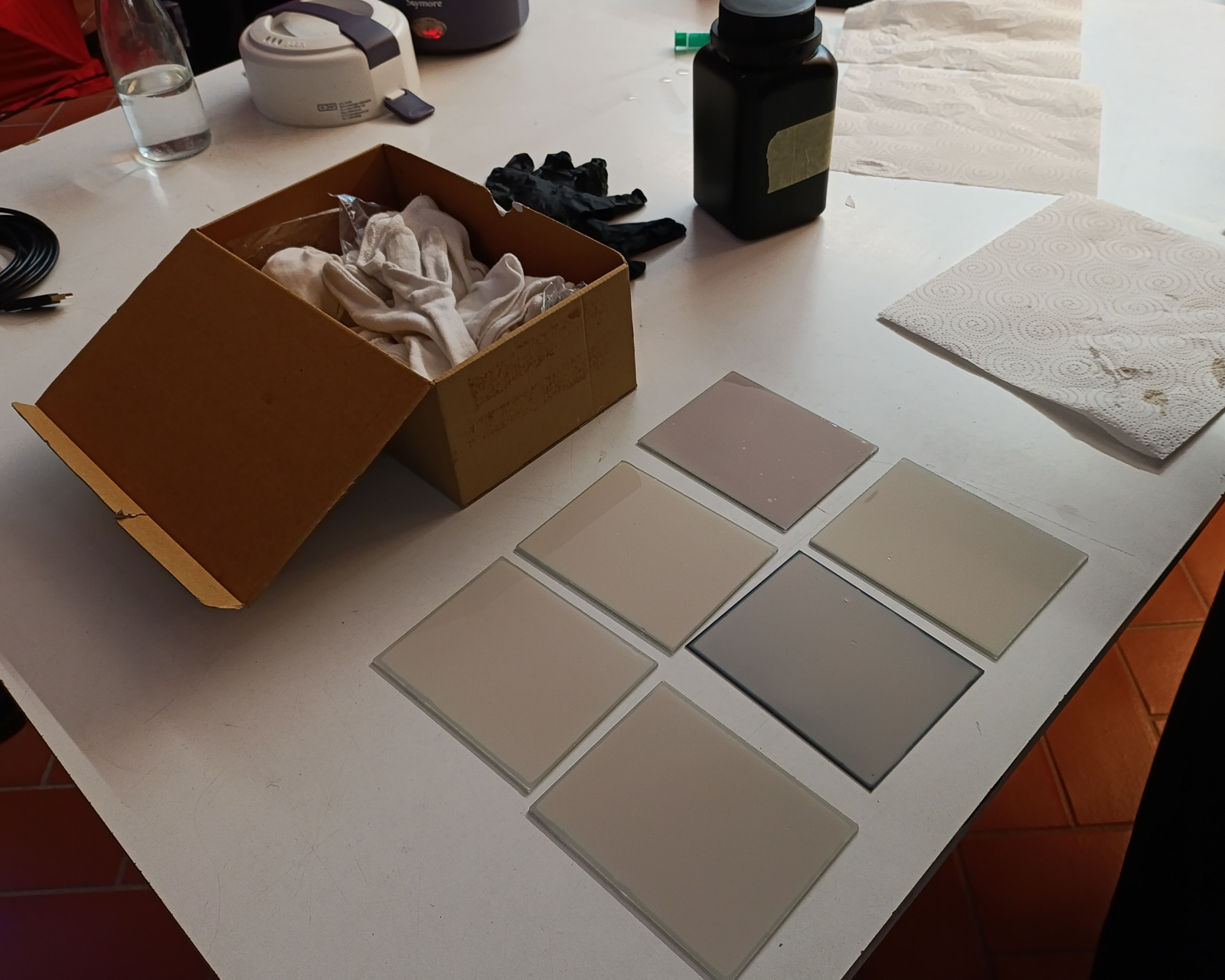
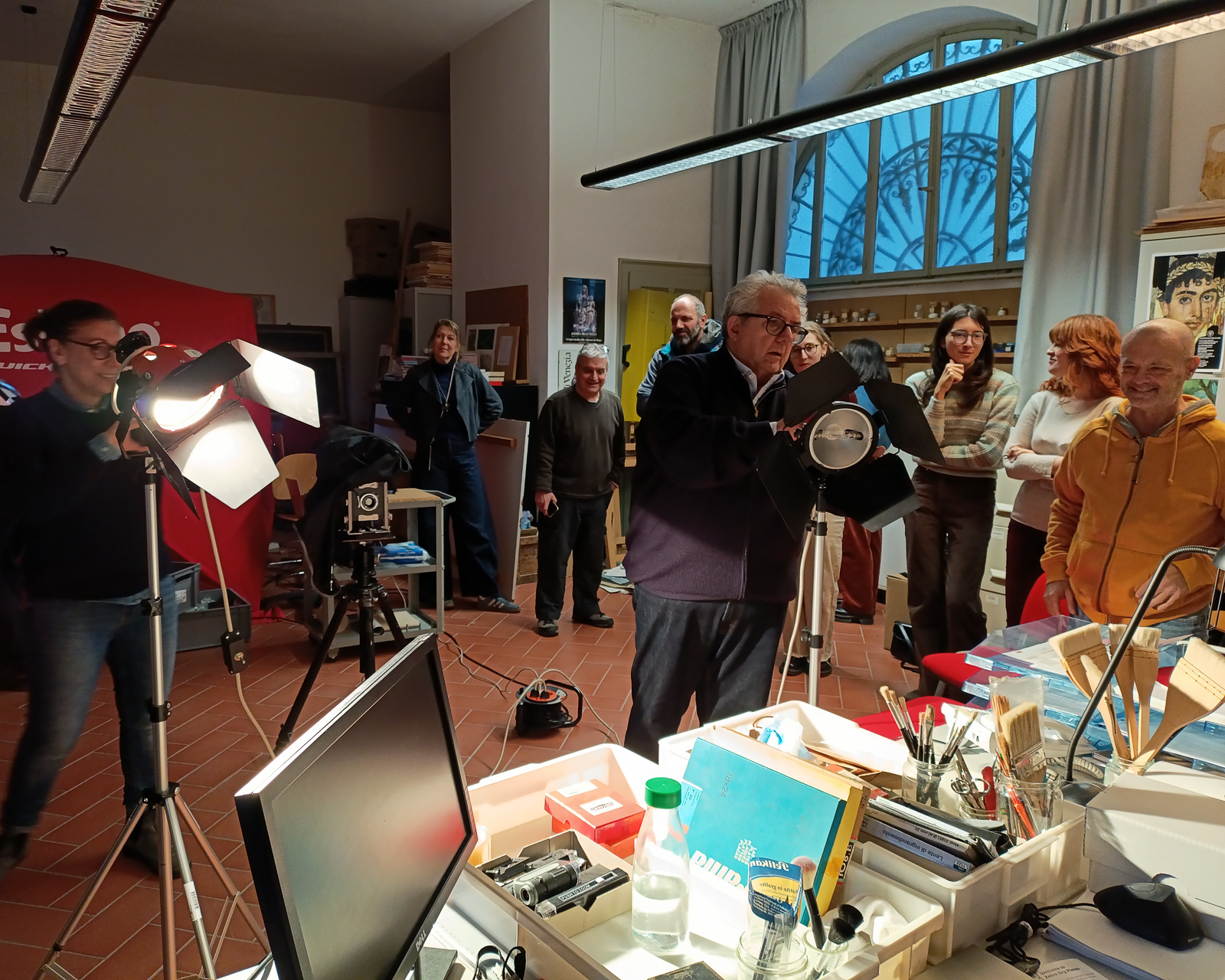
I began with a short presentation on the history of dry plates and how the Zebra Dry Plates brand came to where it is today. After that, we moved on to a live demonstration of coating glass plates. The room was completely full, almost too full for the space we were given, so we had to improvise a bit to make sure everyone could see and follow the process.
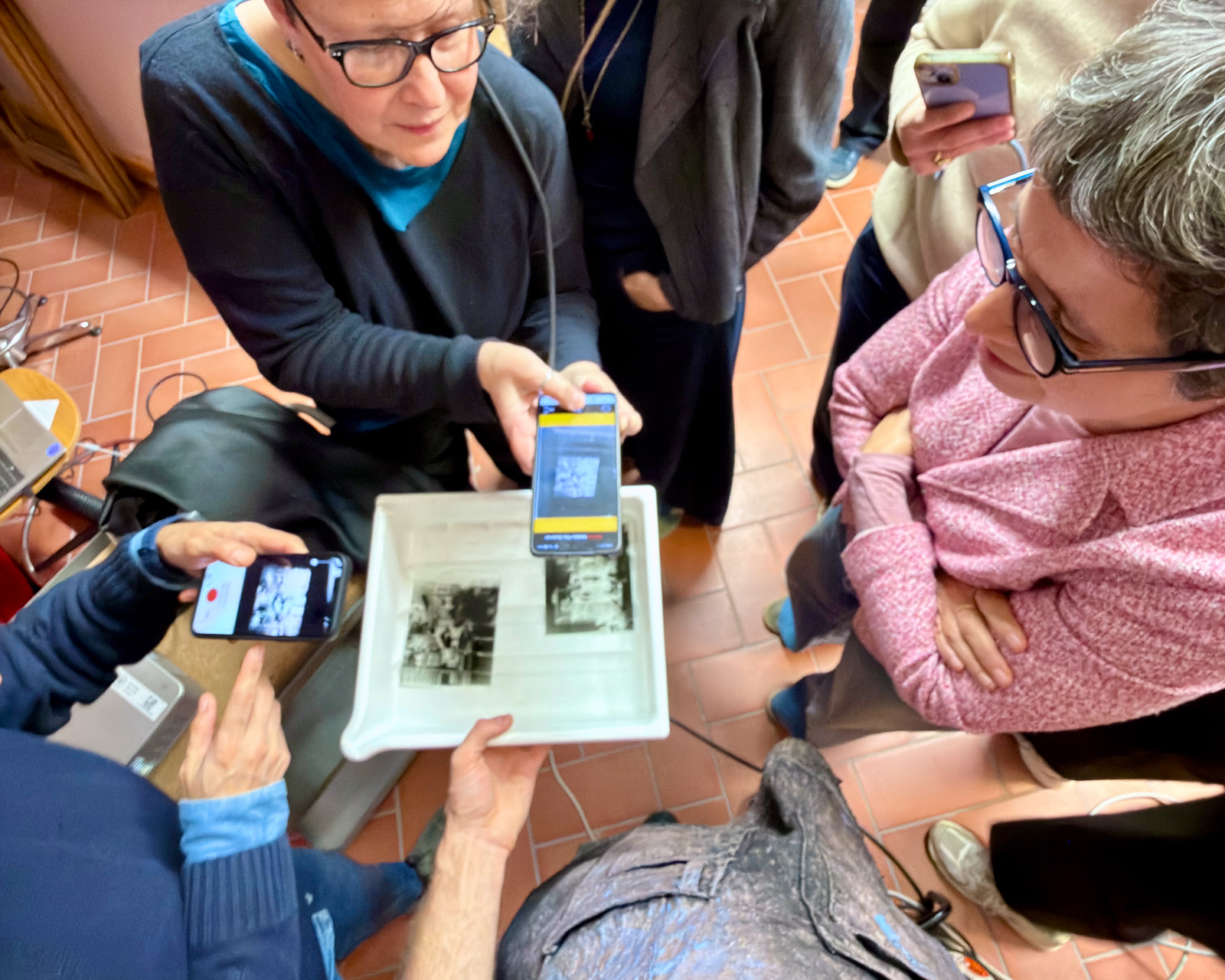
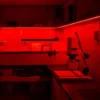
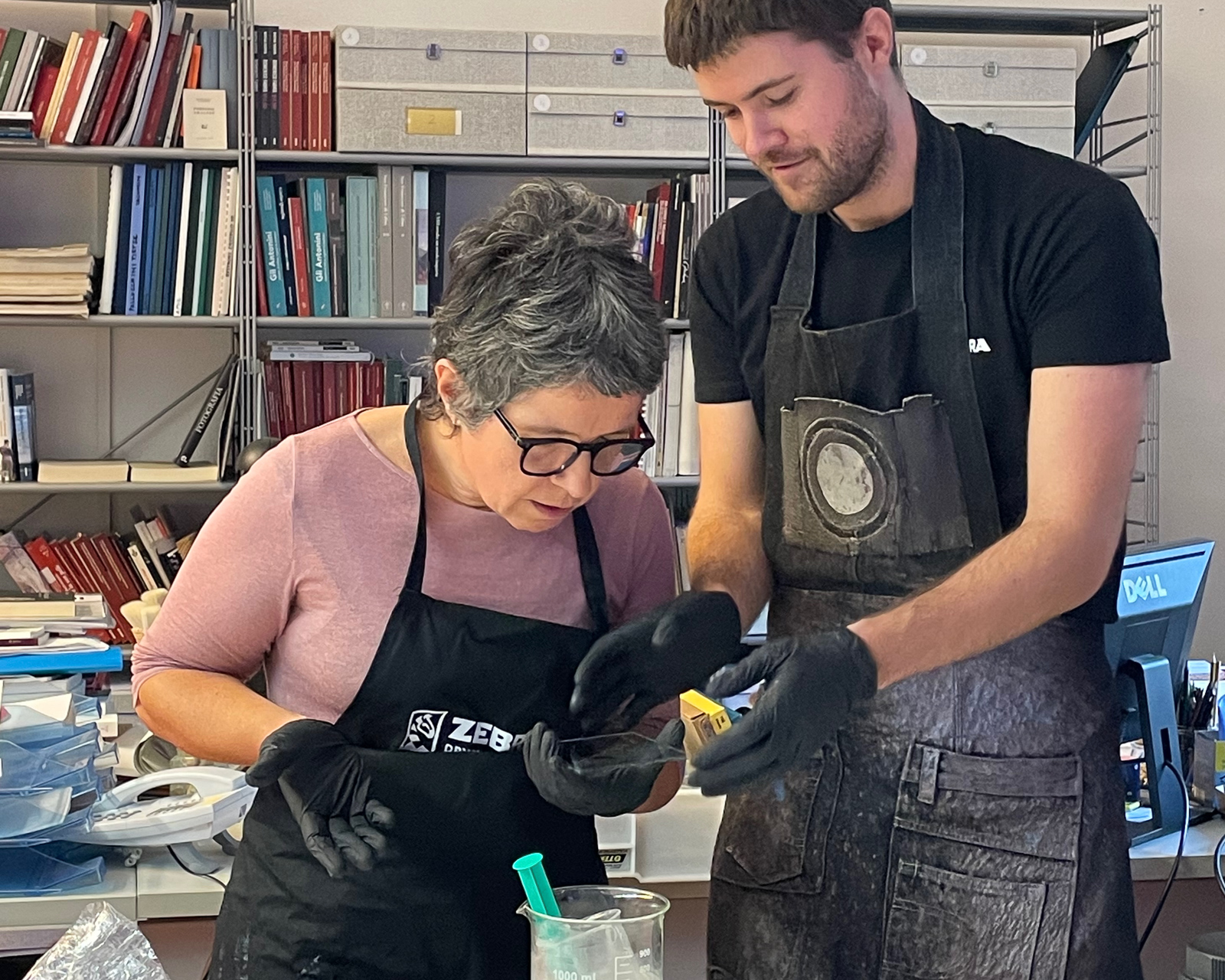
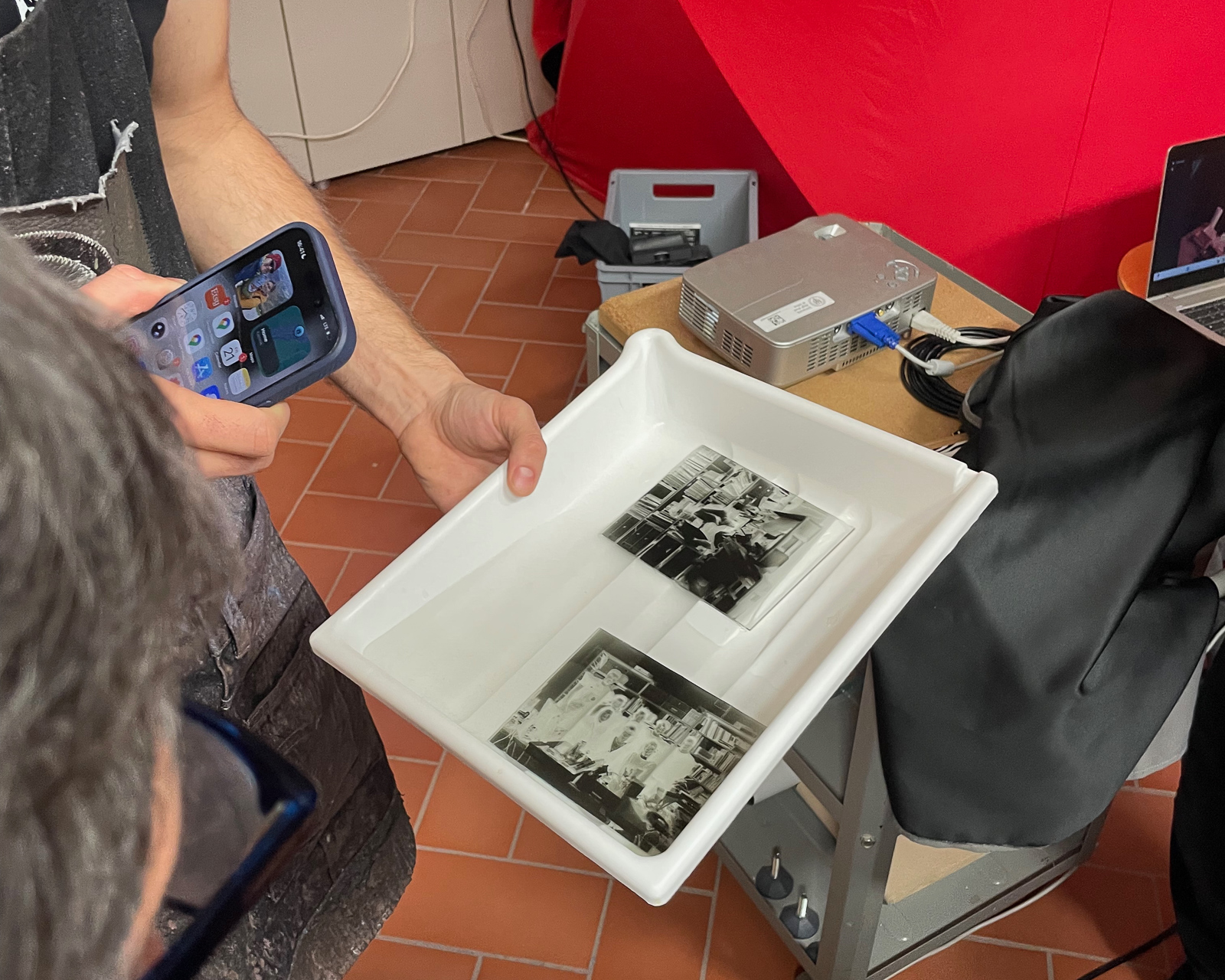
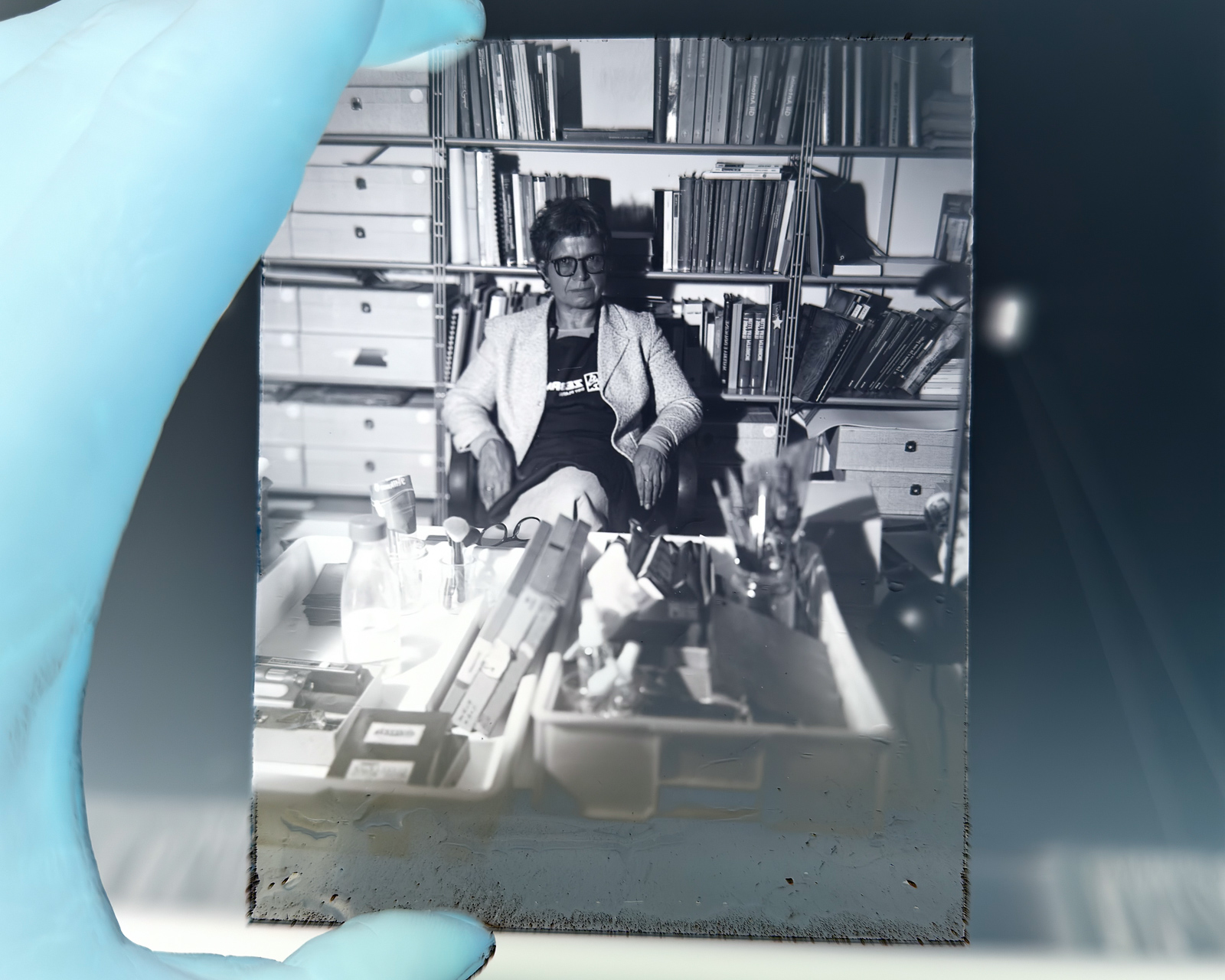
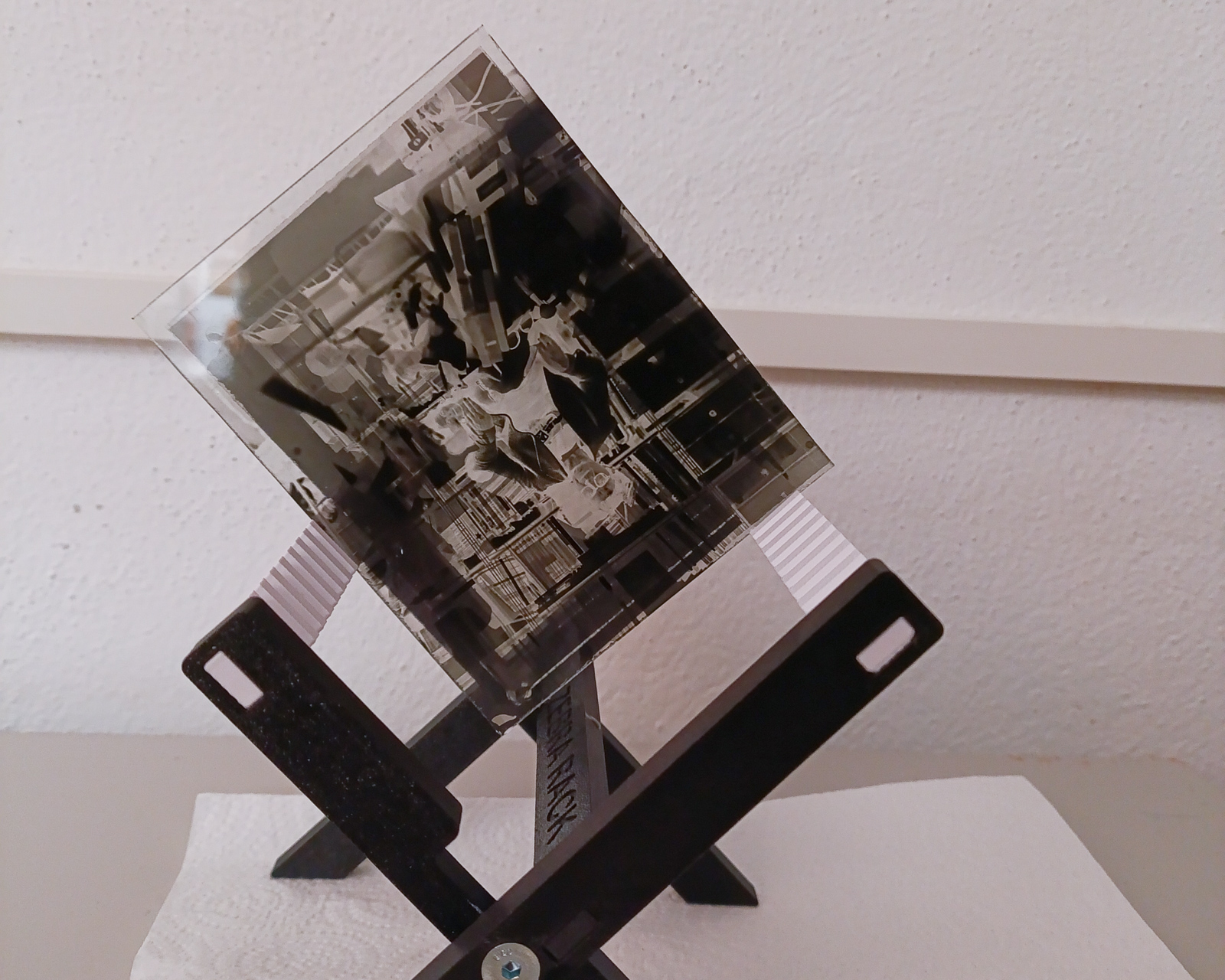
I demonstrated my own coating technique, and a few participants even had the chance to coat plates themselves under my guidance. We worked under normal light conditions. For exposure, we loaded holders with the very first test plates coated using the Zebra Machine inside an improvised Eskimo tent. We then made a few exposures and developed the plates.
The results were excellent, and the excitement in the room was unmistakable. It is always astonishing to see how something made entirely from scratch, by hand, can produce such precise and realistic images.
Reflections After the Workshop
After the workshop, we continued with questions and open discussion about dry plate photography, processes, and the work we do at Zebra. Moments like these are incredibly energizing. Sharing this craft, seeing curiosity grow, and watching excitement appear in people’s eyes is what keeps me moving forward and committed to keeping this beautiful photographic tradition alive and accessible.
A heartfelt thank you to Martina and Daniela for organizing such a thoughtful and inspiring event. Experiences like this are a reminder of why this journey matters.