
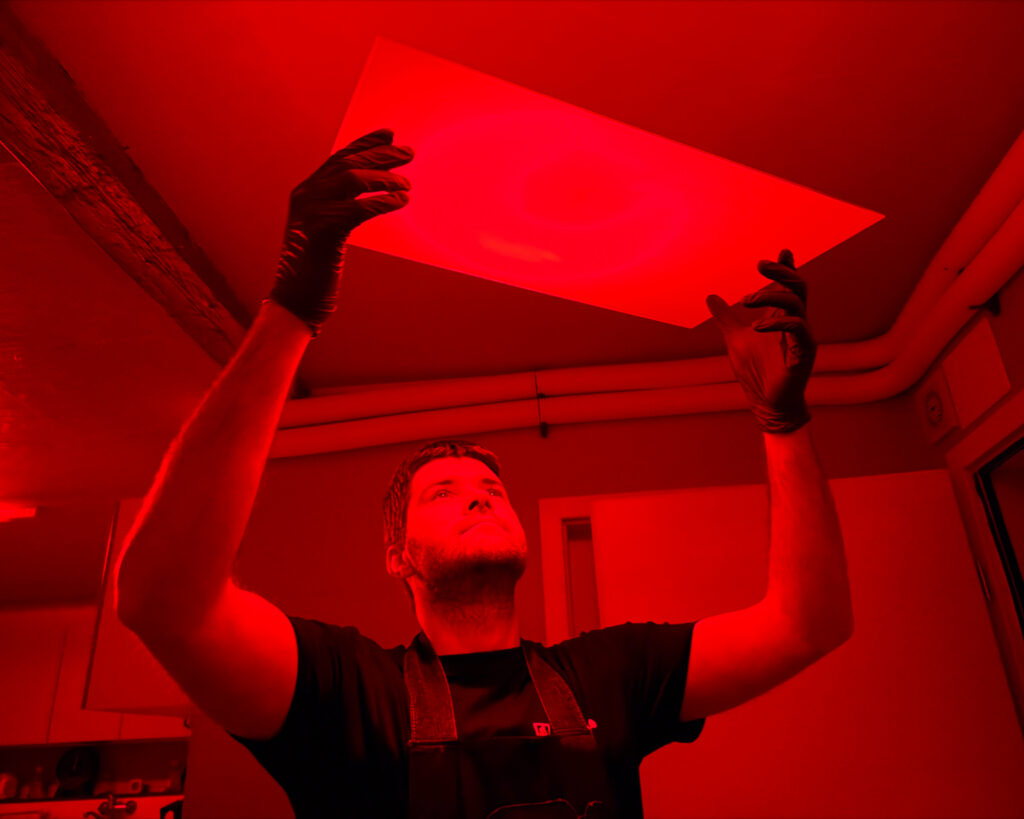
Making History: The New Chapter of Dry Plate Photography

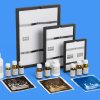
For over a century, dry plate photography has lived in a space between science and craft , between chemistry, light, patience, and human hands. It has always been a medium shaped by care, slowness, and deep technical knowledge, preserved by small communities and individual makers who refused to let it disappear. Zebra Dry Plates was born from that same tradition: hand-mixed emulsions, manual coating, slow production, and a deep respect for historical photographic processes. For years, every plate we produced was hand coated, one by one, following techniques that connect directly back to 19th‑century photographic practice. Tradition is not something that...
Continue reading

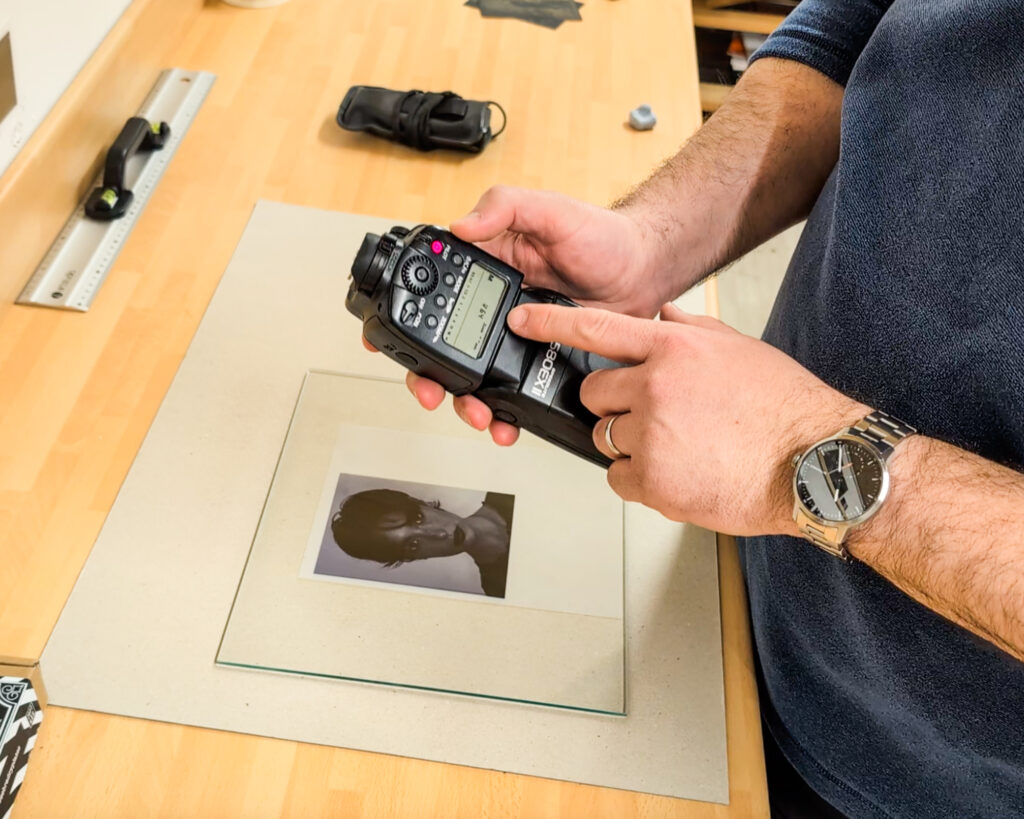
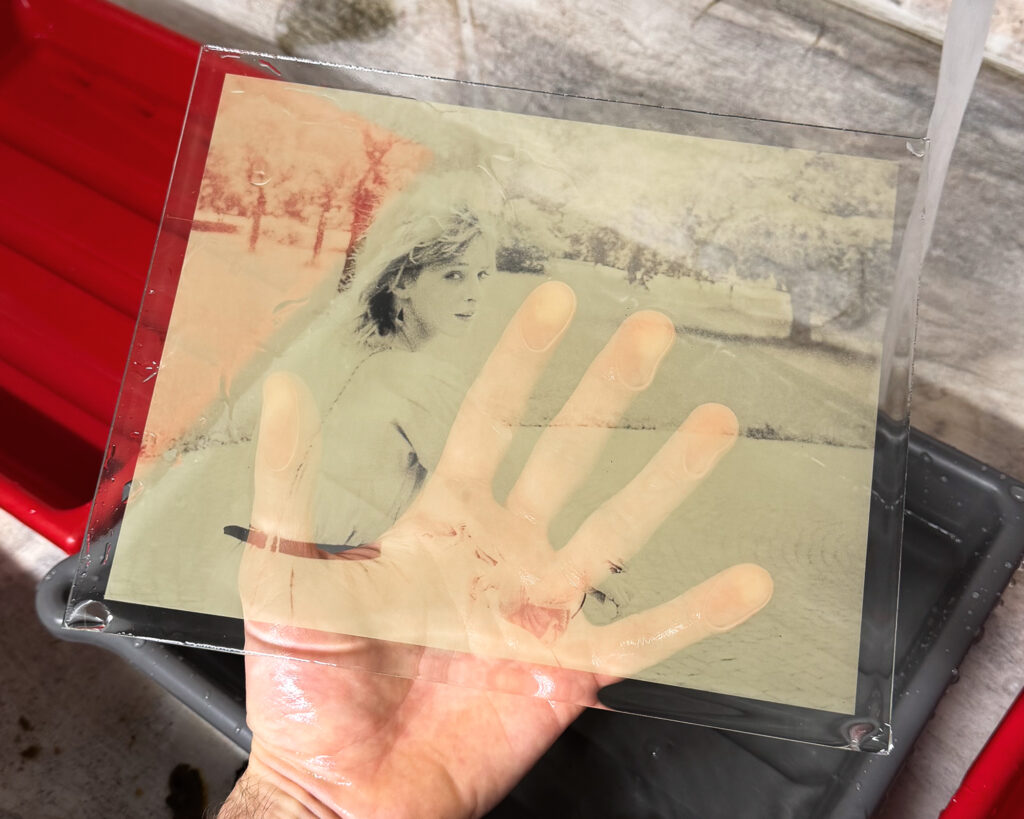
Beautiful glass Ambrotypes without a camera?! A complete Guide to Contact Printing positives on glass (VIDEO)

This project started with a simple but meaningful intention: to create deeply personal Christmas gifts from photographs that already existed. Instead of making new images with a camera, we chose to translate old family photographs onto glass, creating ambrotype-style positives using Zebra glass dry plates. What makes this process special is that no camera is used at any stage. The image is recreated entirely through scanning, tonal preparation, contact printing, chemistry, and optics. It is a slow, deliberate process rooted in 19th-century photographic principles, adapted carefully for modern materials. Below is the full, exact workflow we used.   What You need to Get Started Source...

Continue reading

After Half a Century, Machine Coated Dry Plates Are Back

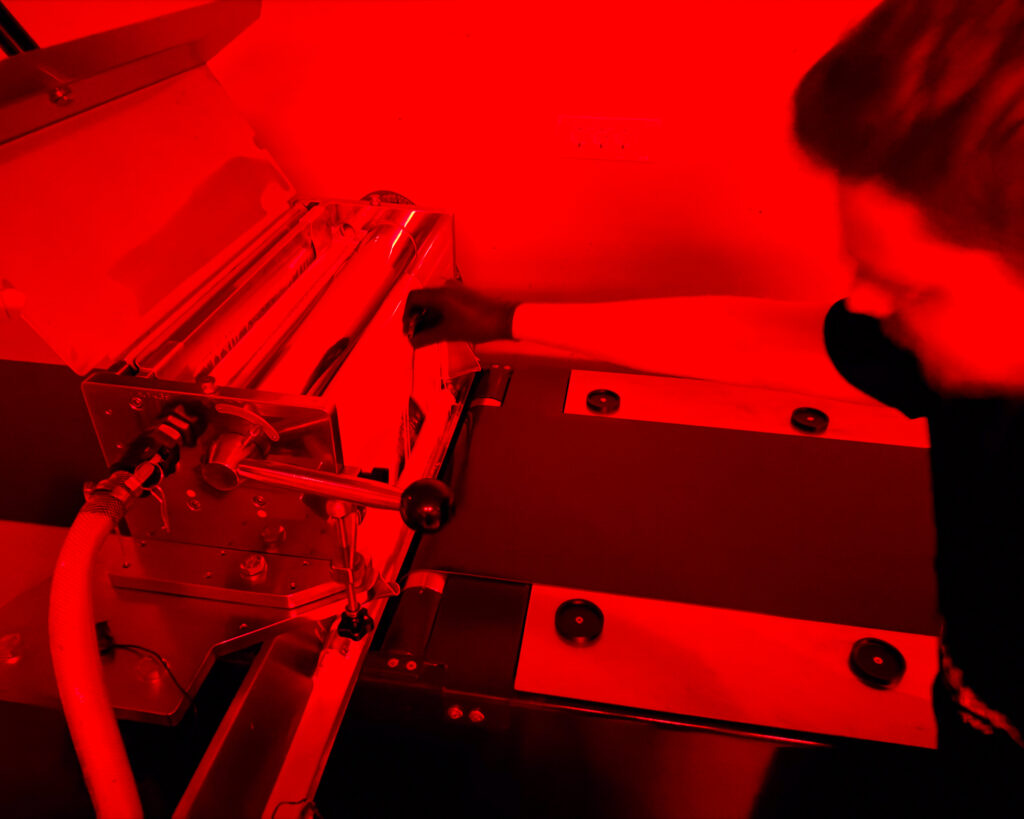
First Machine Coated Dry Plates After More Than 50 Years Dry plates once stood at the heart of photography, coated in massive industrial facilities operated by companies like Ilford and Kodak. But in the 1970s, as the world shifted fully to flexible film, the last machine coated dry plates rolled off those production lines. The machines were shut down, dismantled, and never built again. From that moment on, the survival of the Dry Plate process depended entirely on the few photographers and craftsmen who continued to coat plates by hand.I eventually became one of them. Over the last seven years, I have hand...

Continue reading

 A New and Probably the Cheapest Way to Make Silver Gelatin Emulsion: Elio’s Story and Full Step-by-Step Tutorial

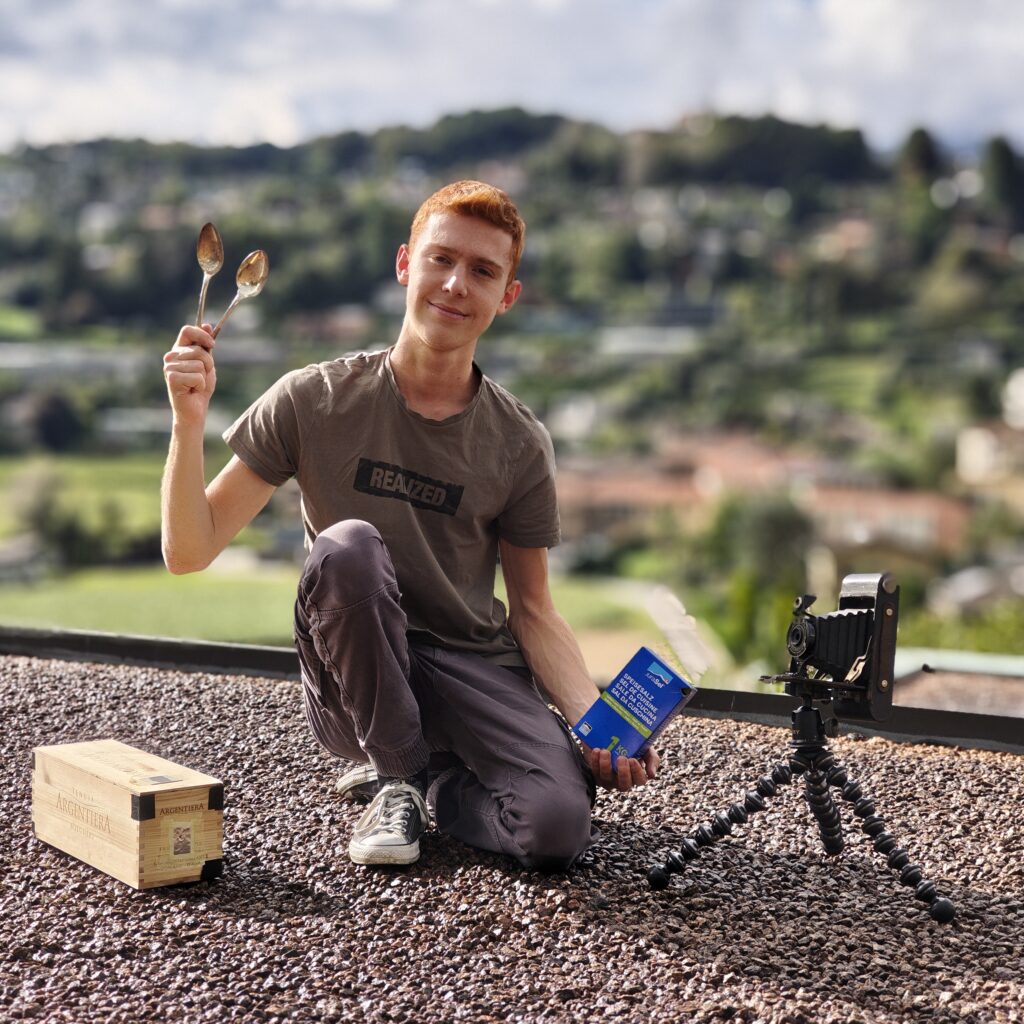
Every once in a while, a story finds its way into my inbox and quietly reminds me why I fell in love with photography in the first place. It happened again when a young photographer named Elio reached out to share an idea he had been working on. He had discovered a way to make silver halides using only materials found at home. There was no silver nitrate involved, no specialized equipment, only the wish to understand photography at its most fundamental level and to bring the process within reach for anyone who shares the same fascination. As we exchanged messages,...

Continue reading

Zebra Lab Update: Tank Update, Golden Plates, Faster Emulsions?

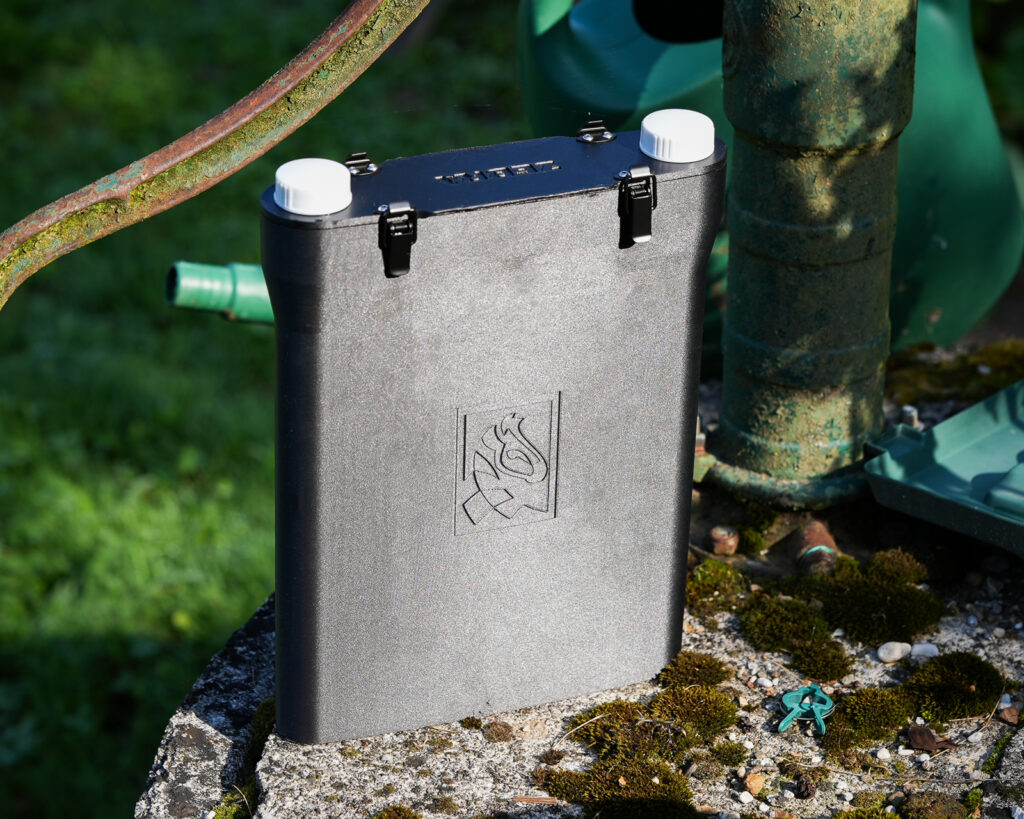
The holidays are behind us, and while most people were winding down, things at the Zebra workshop were busier than ever. It’s the perfect moment to give you a big update on what we’ve been up to these past weeks. Daylight Processing Tanks – Redesigned and Ready First things first: WOW. We’re still blown away by the incredible support of more than 500 backers who joined us on the Zebra Daylight Processing Tank campaign. Your encouragement and feedback are what keep this project alive and evolving. We listened closely to your ideas, and many of them shaped the improvements we’ve been working...

Continue reading

Turning Negatives into Golden Positives – How to Make Orotones with Zebra Dry Plates

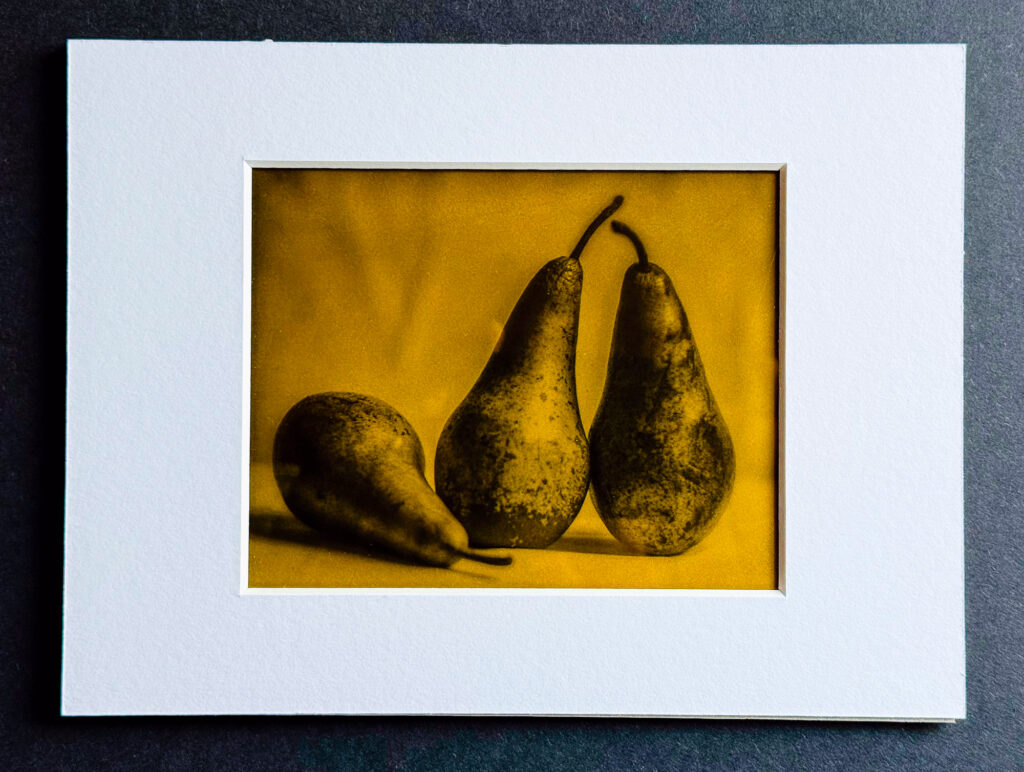
Technique documented by Tom Lee (UK) This project started with a simple but meaningful intention: to create deeply personal Christmas gifts from photographs that already existed. Instead of making new images with a camera, we chose to translate old family photographs onto glass, creating ambrotype-style positives using Zebra glass dry plates. What makes this process special is that no camera is used at any stage. The image is recreated entirely through scanning, tonal preparation, contact printing, chemistry, and optics. It is a slow, deliberate process rooted in 19th-century photographic principles, adapted carefully for modern materials. Below is the full, exact workflow we used. What...

Continue reading

Coating Ultra-Large Plates: Expert Tips and Techniques

I’m often asked whether coating ultra-large plates, like the impressive 20×24-inch pieces, is significantly harder than working with smaller ones. The answer? Both yes and no. When you move up to this scale, every step of the process demands greater precision, patience, and practice. Spreading emulsion evenly across such a vast surface isn’t as straightforward as it sounds. Using a syringe coating technique, for instance, often means stopping to refill your emulsion cup three or four times while keeping the plate perfectly level to prevent spills. The weight of a large glass plate can actually help stabilize it with your fingers, as...

Continue reading

The Art of Contact Printing on Zebra Dry Plate Tintypes

Adrian Anderson has been using Zebra Dry Plates for quite some time now, and he absolutely loves them. While he plans to use a camera to expose them eventually, the cost of large-format photography has led him to explore an alternative approach: contact printing. This method allows him to produce beautiful positive plates using digital images, and I want to take a moment to appreciate Adrian Anderson’s invaluable contribution to this process. His meticulous research and experimentation have provided a solid foundation for anyone looking to try this technique. Thanks to Adrian’s work, it’s clear that you don’t need an...

Continue reading

Building-Darkroom-Drying-Cabinet-for-Dry-Plates-build-guide

Building a Darkroom Drying Cabinet for Dry Plates: A Comprehensive Guide

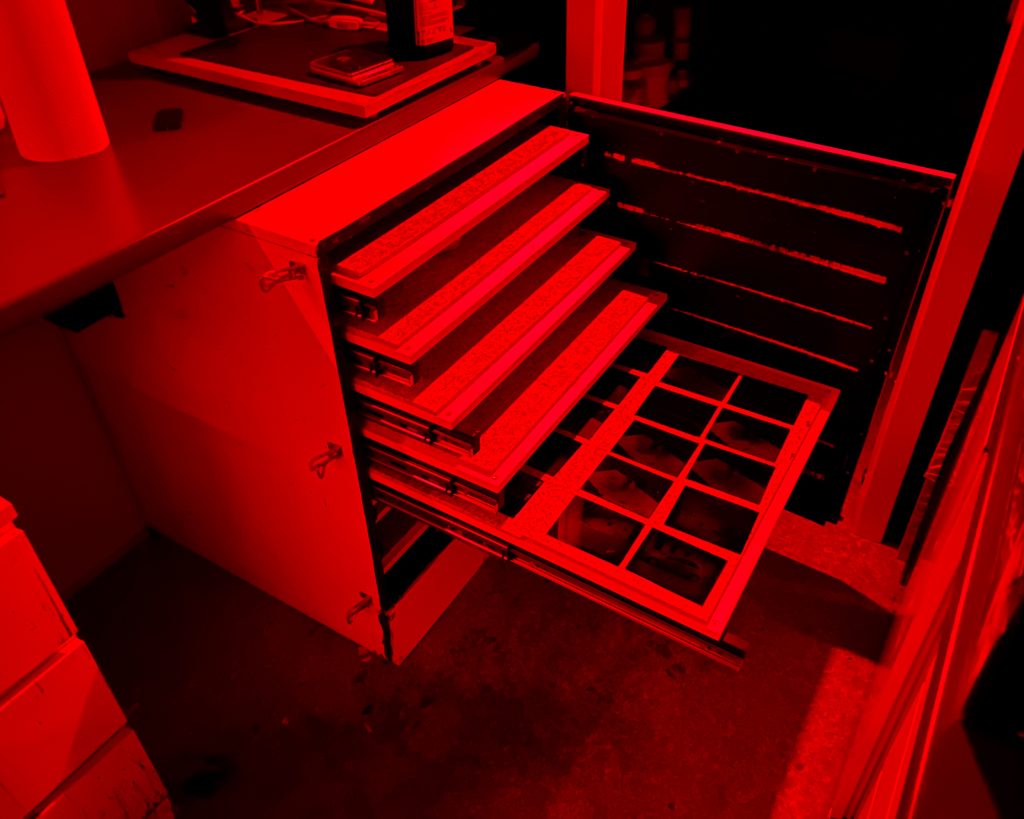
Following my last video, many of the viewers and my followers were interested in knowing more about my Darkroom Drying Cabinet for drying dry plates, so I have decided to put together another video and this blog post to give you a better insight into how the cabinet was built and how it performs after two years of heavy use. At the bottom of this blog, you can also find a detailed list of materials as well as links to the STL files for the 3D-printed parts. Why Build a Darkroom Drying Cabinet? I have been commercially producing Zebra Dry Plates since...

Continue reading

Sabbatier-effect-Step-by-Step-Tutorial

Sabattier Effect – Detailed Step by Step Tutorial

In this tutorial I would like to explain and talk about a very interesting darkroom phenomenon that I came across recently and it absolutely stunned me with its beauty. But let's start at the beginning... A few days ago while scrolling through Facebook I was shocked by a direct positive Zebra Dry Plate that was shared by one of my customers. I had to ask him how he did it and he responded that he had no intention of making a positive but it was all just an accident. He told me how he made the exposure and started to develop...

Continue reading