







Making History: The New Chapter of Dry Plate Photography

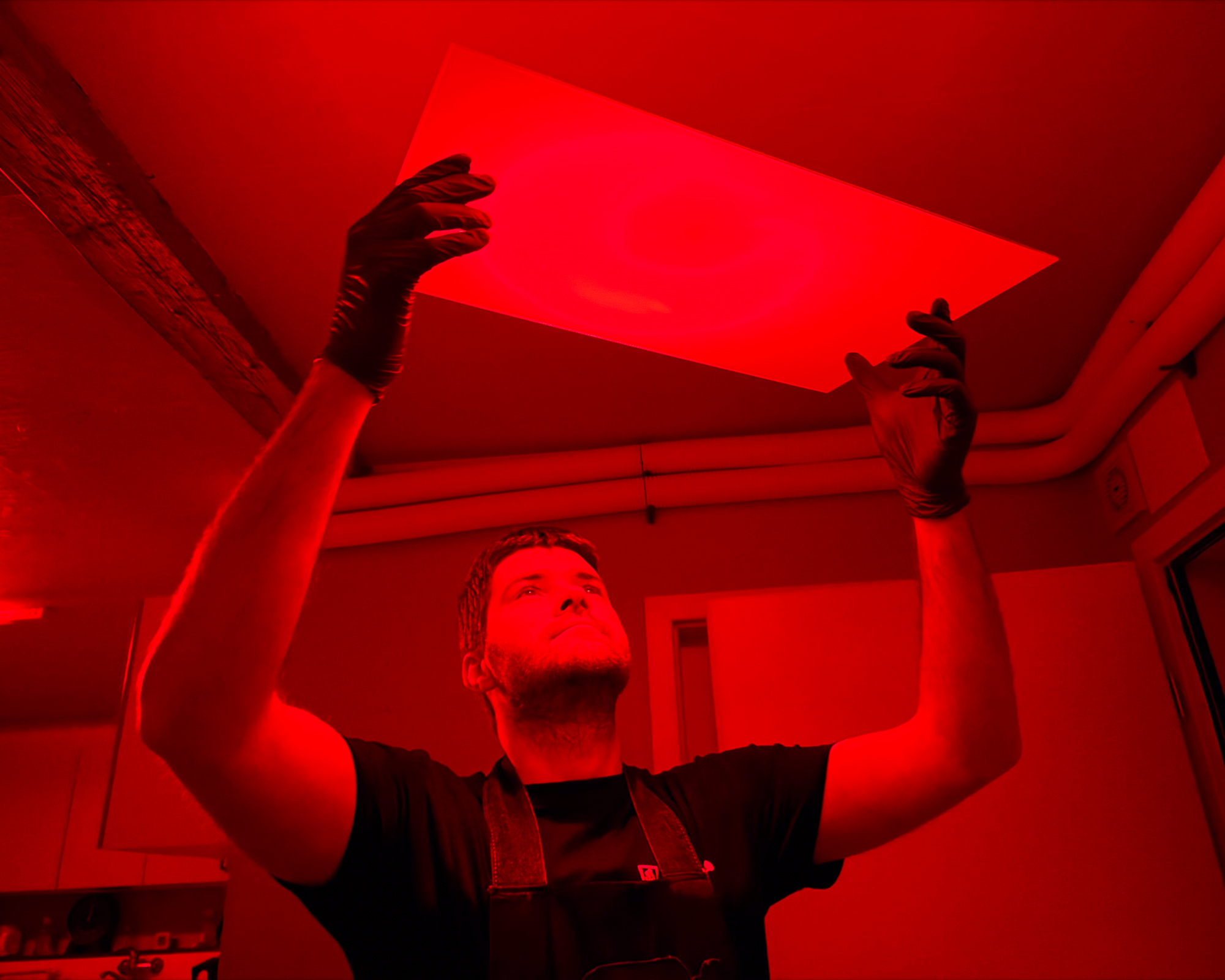
For over a century, dry plate photography has lived in a space between science and craft , between chemistry, light, patience, and human hands. It has always been a medium shaped by care, slowness, and deep technical knowledge, preserved by small communities and individual makers who refused to let it disappear. Zebra Dry Plates was born from that same tradition: hand-mixed emulsions, manual coating, slow production, and a deep respect for historical photographic processes. For years, every plate we produced was hand coated, one by one, following techniques that connect directly back to 19th‑century photographic practice.
Tradition is not something that stands still – It evolves.
Over the past months, we have made one of the largest investments in the history of our workshop , both financially and in human effort , by designing and building our own emulsion coating machine. This system was not created to industrialize dry plates in the modern sense, but to bring precision, repeatability, and long-term sustainability to a process that has always been fragile, labor‑intensive, and difficult to scale. The goal was never mass production. The goal was stability, consistency, and the ability to protect quality as the community around dry plates continues to grow.
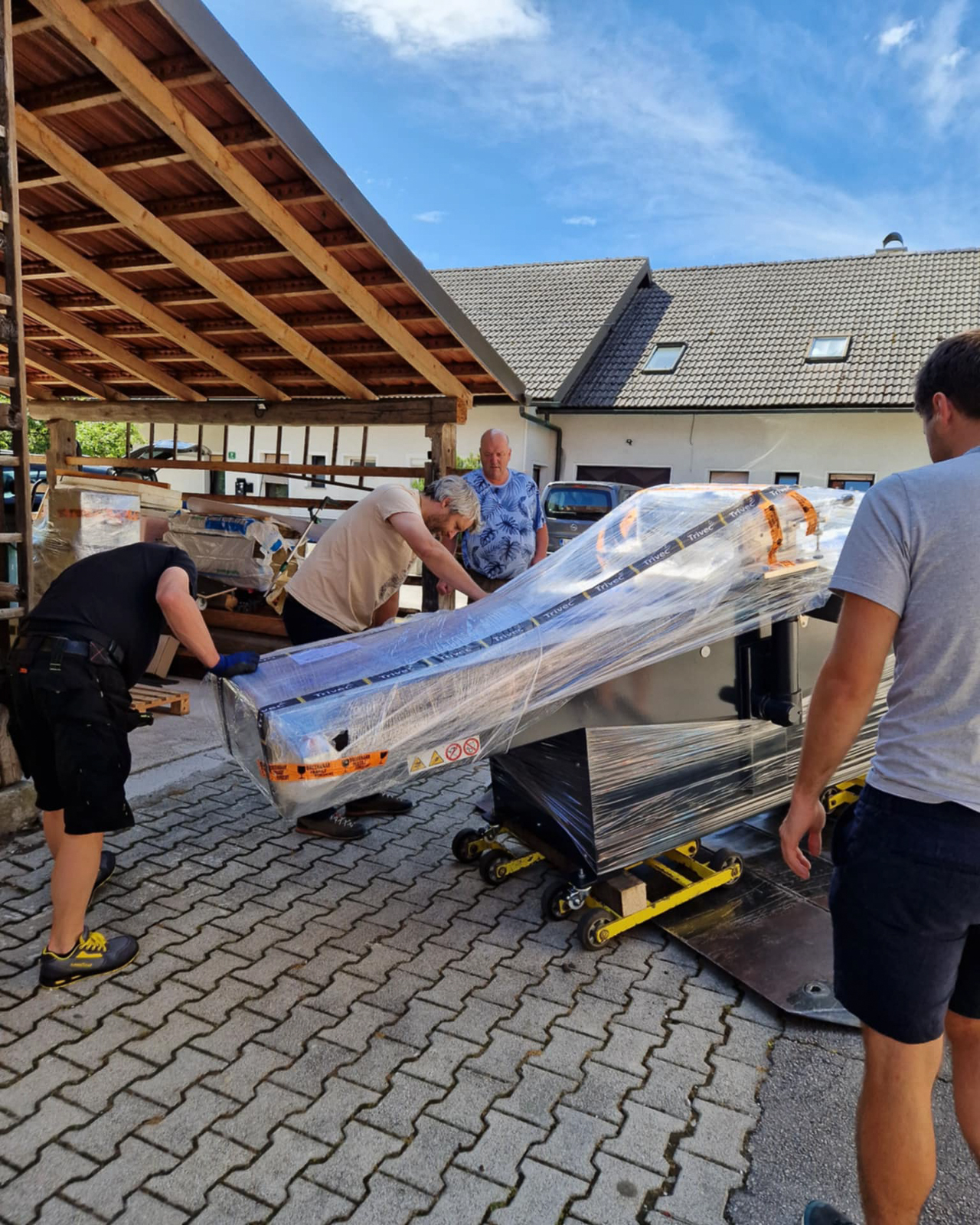
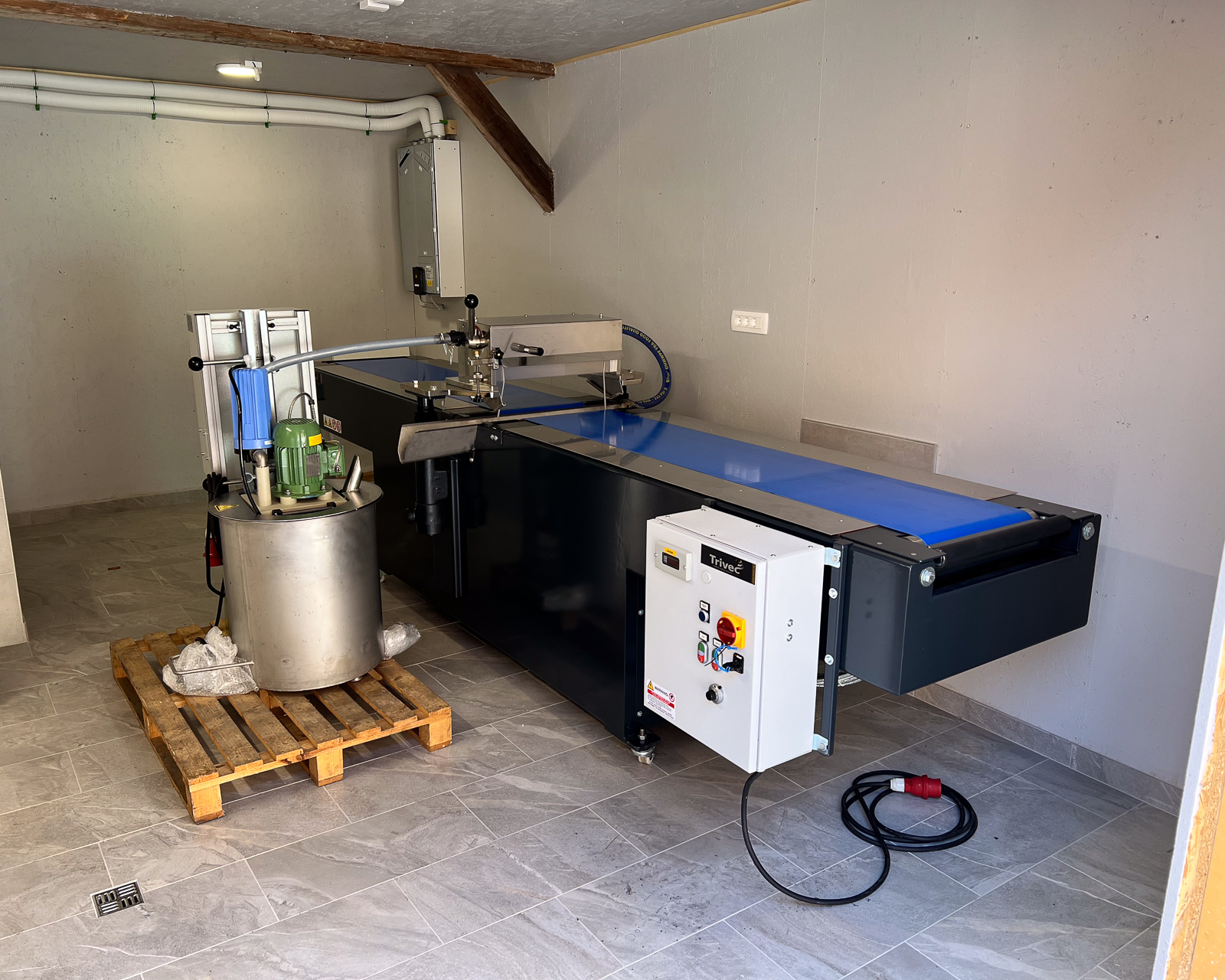
We were unprepared. Now what?!
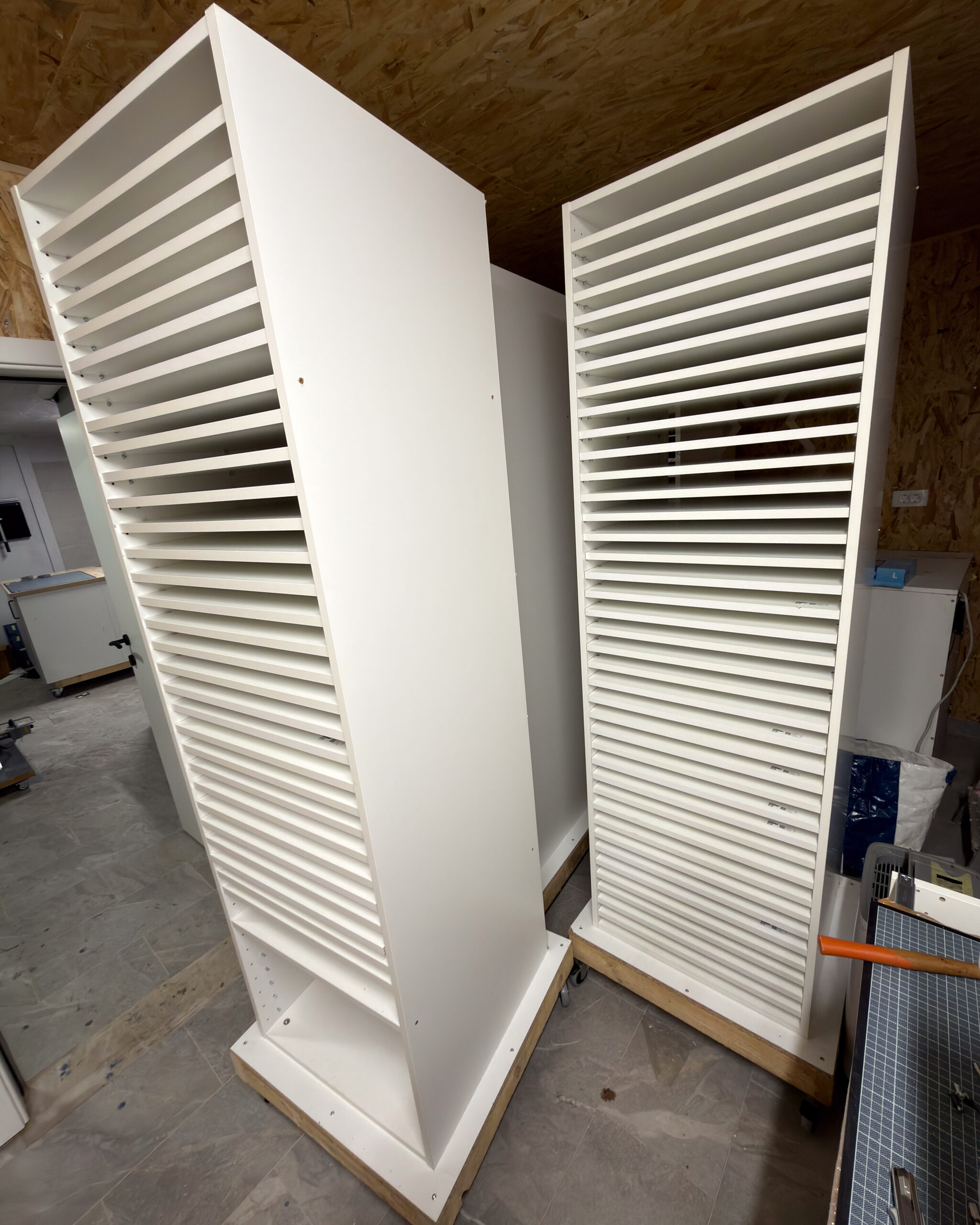
Heating twenty liters , and sometimes more , of photographic emulsion introduces an entirely new level of complexity. Ventilation suddenly becomes critical. Temperature control becomes essential. Safety systems become mandatory. The workshop can no longer function as a simple coating room; it must become a controlled production environment. At the same time, space itself becomes a limiting factor. When a system is capable of coating hundreds of plates per hour, every part of the workflow must change. Drying, storage, transport, cutting, dust control, airflow, humidity management, and contamination prevention all become structural problems rather than minor inconveniences. These are challenges that do not exist at small scale , they only appear when production speed increases to a point where human workflow becomes the bottleneck.
It wasn’t just about space. What we were facing was a shift from artisan‑scale production to system‑based production. Not industrial mass manufacturing, but a hybrid model where chemistry, mechanics, environment, workflow, and human handling must function as one integrated system. The machine itself was only one component. We had to redesign movement paths, drying logic, storage sequences, contamination control, and handling protocols. Coating plates is not simply about applying emulsion to glass , it is about everything that happens before the coating and everything that happens after it.
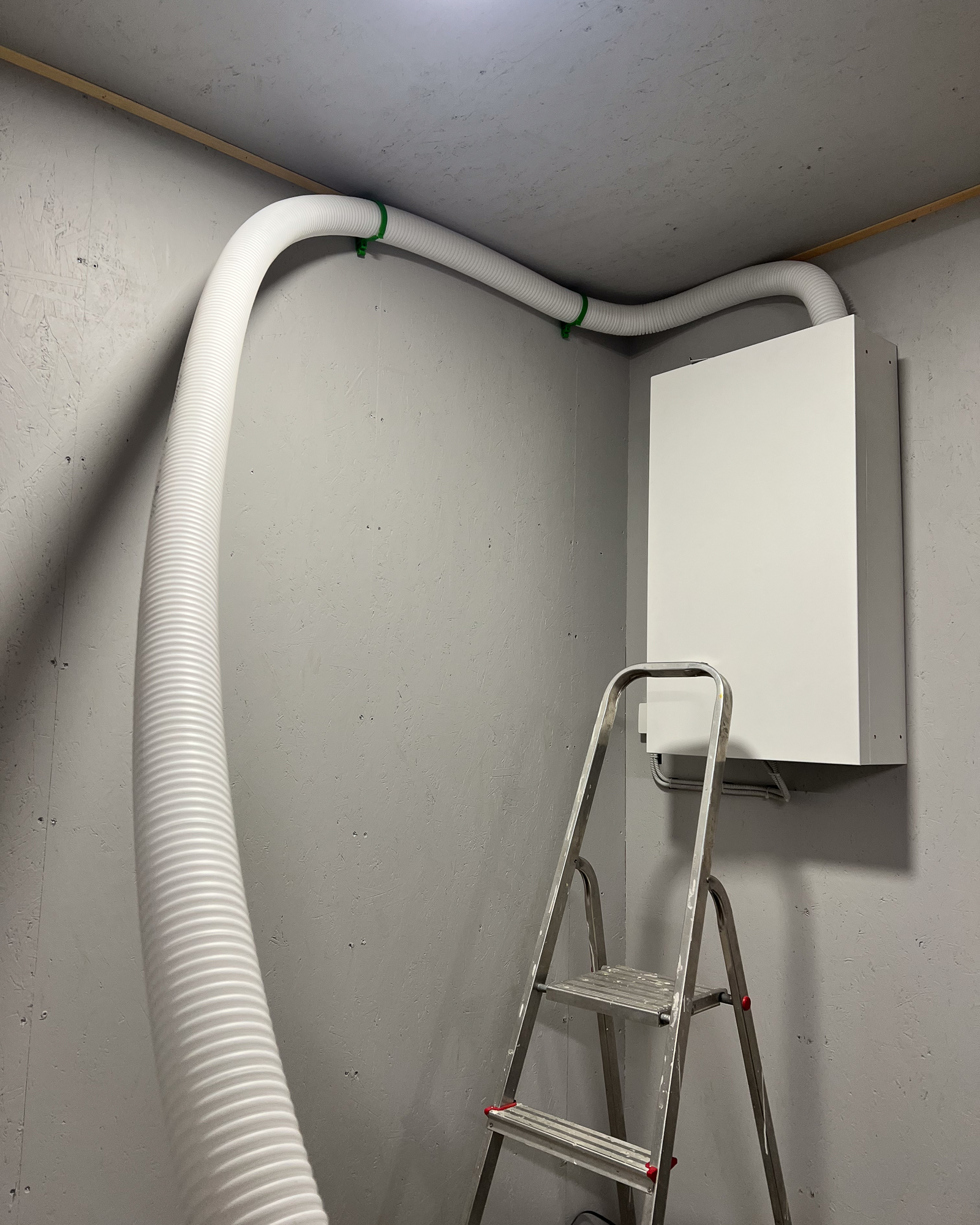
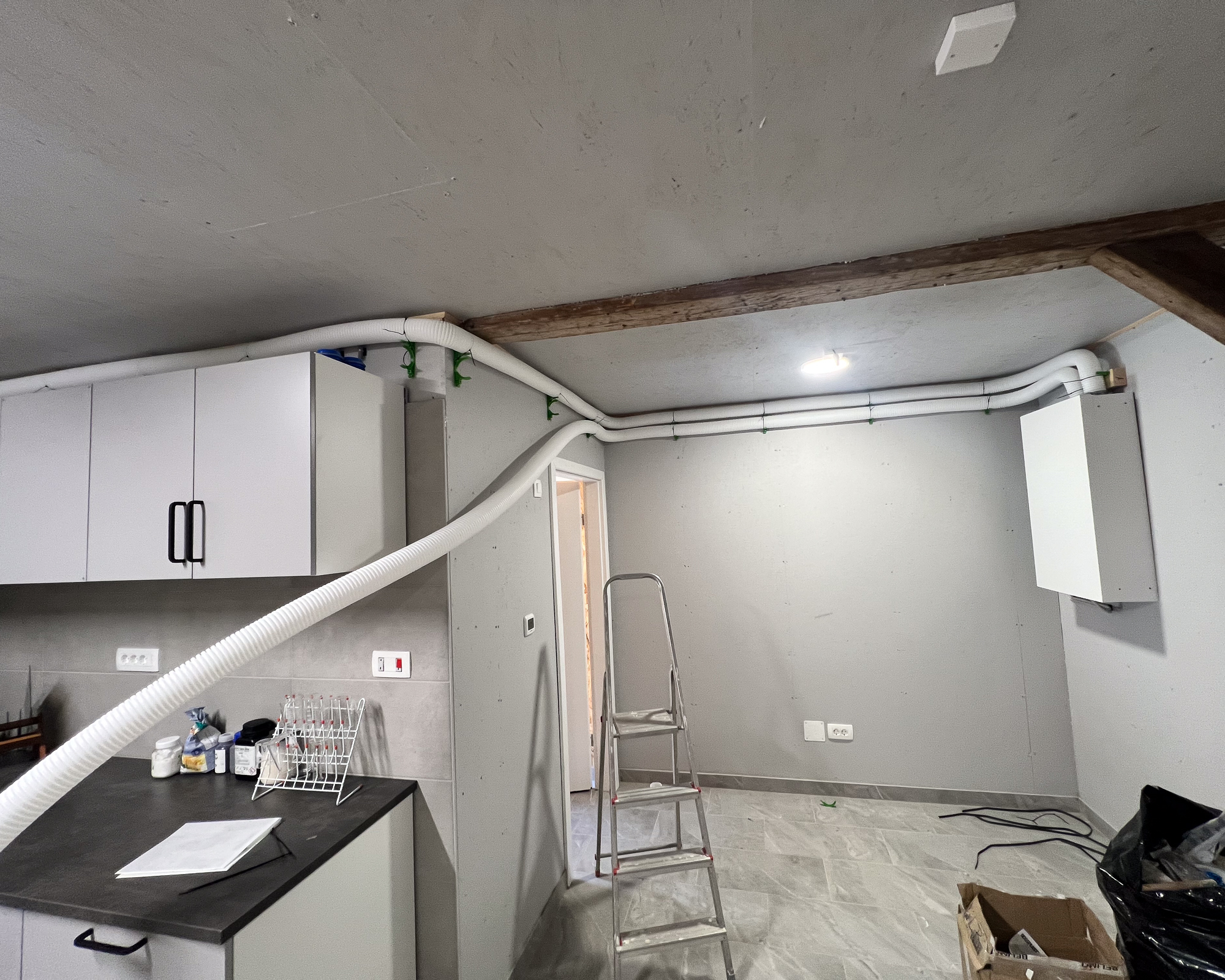
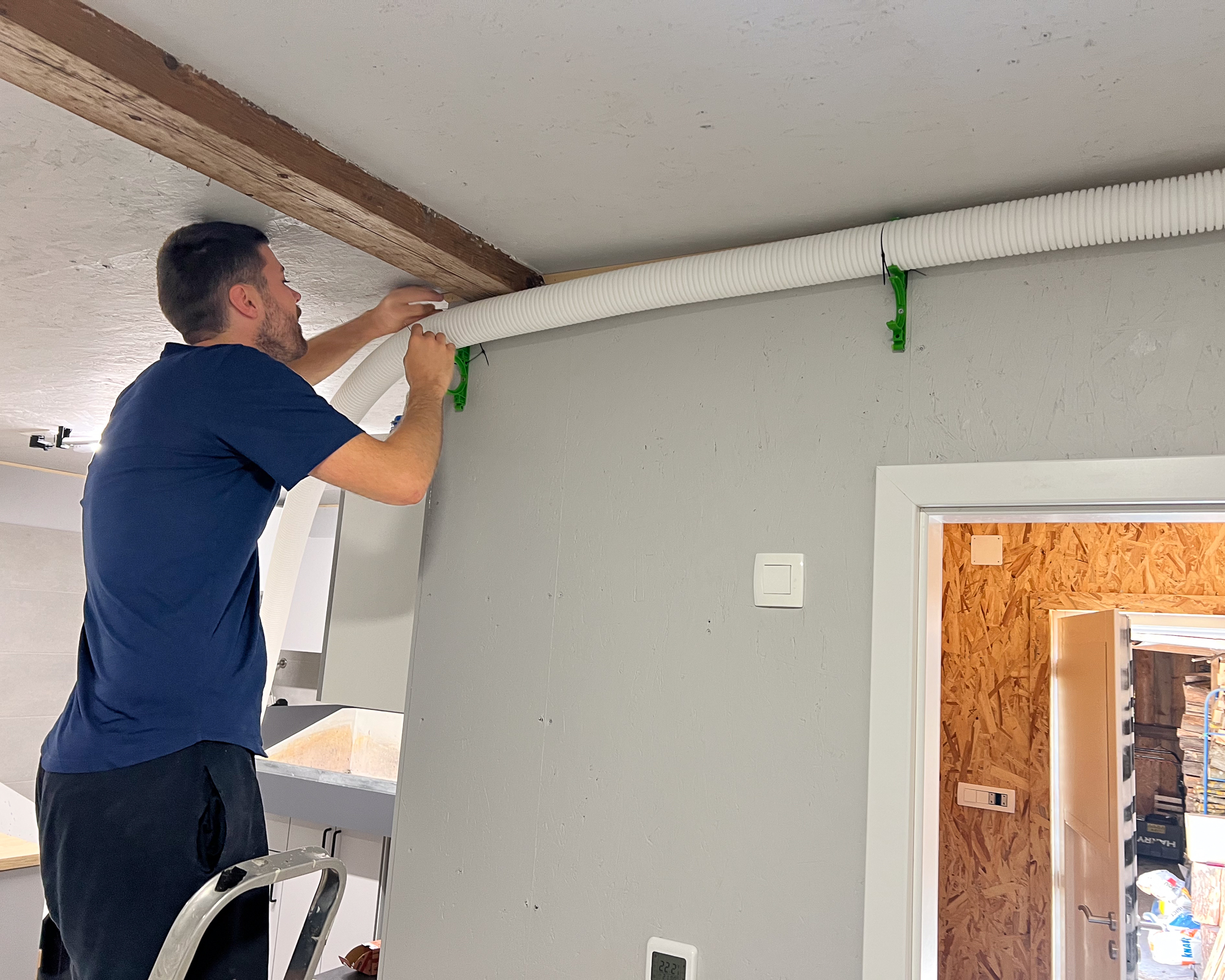
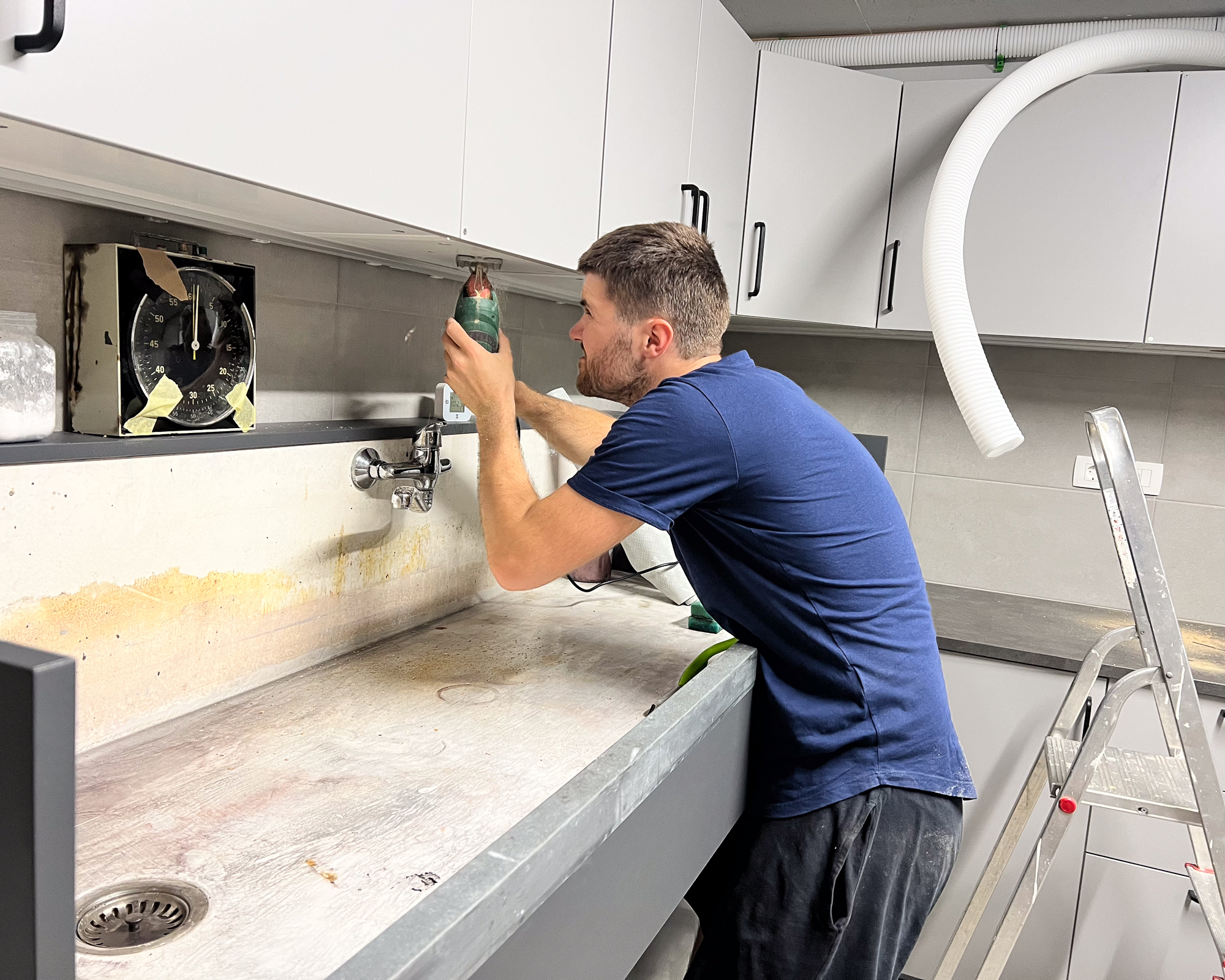
Learning the machine took months of real‑world testing. Every parameter had to be understood through repetition, failure, and iteration. Plate speed affected curtain stability. Temperature affected viscosity. Flow rates changed grain structure. Drying behavior altered surface texture. Long coating sessions introduced emulsion hardening challenges. Cleaning cycles influenced contamination risks. Each change triggered another reaction somewhere else in the system. Coating is not a single action , it is a living interaction between chemistry, physics, mechanics, environment, and time.
We rejected batches. We recalibrated. We rebuilt parts of the process. We modified workflows. We redesigned drying systems. We refined cleaning procedures. We adjusted chemistry protocols. For months, we learned directly from mistakes, letting the material, the machine, and the process teach us what works and what does not.
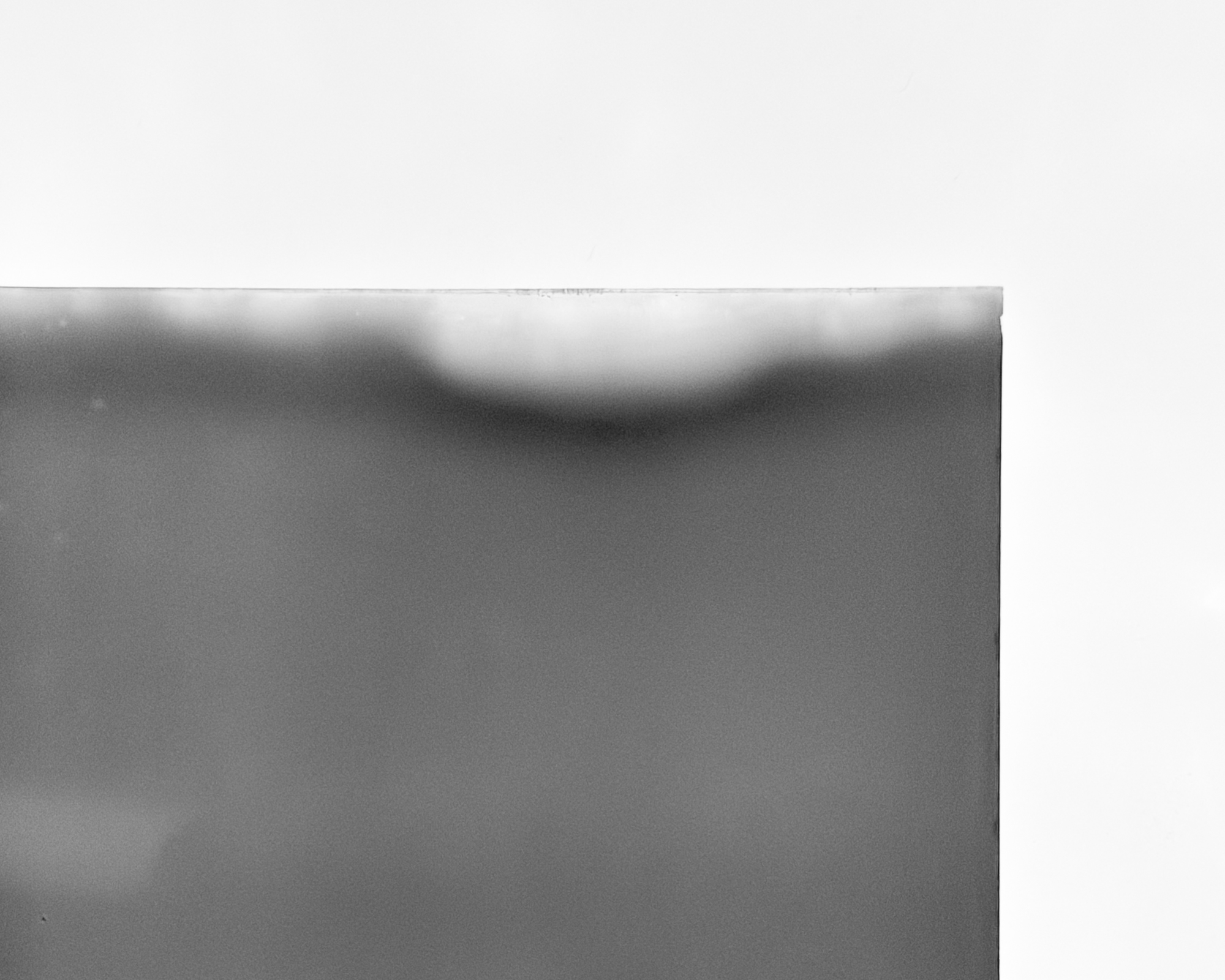
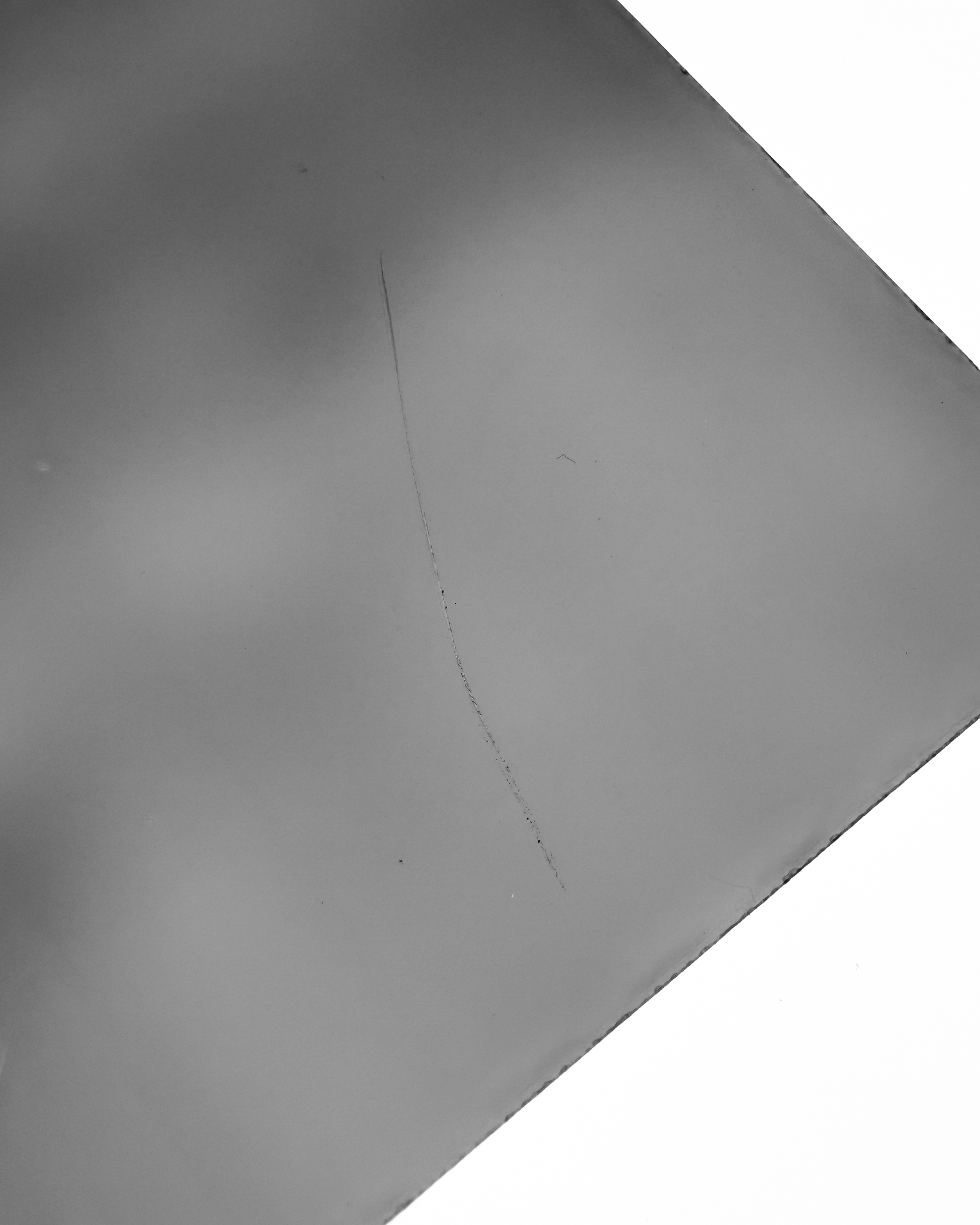
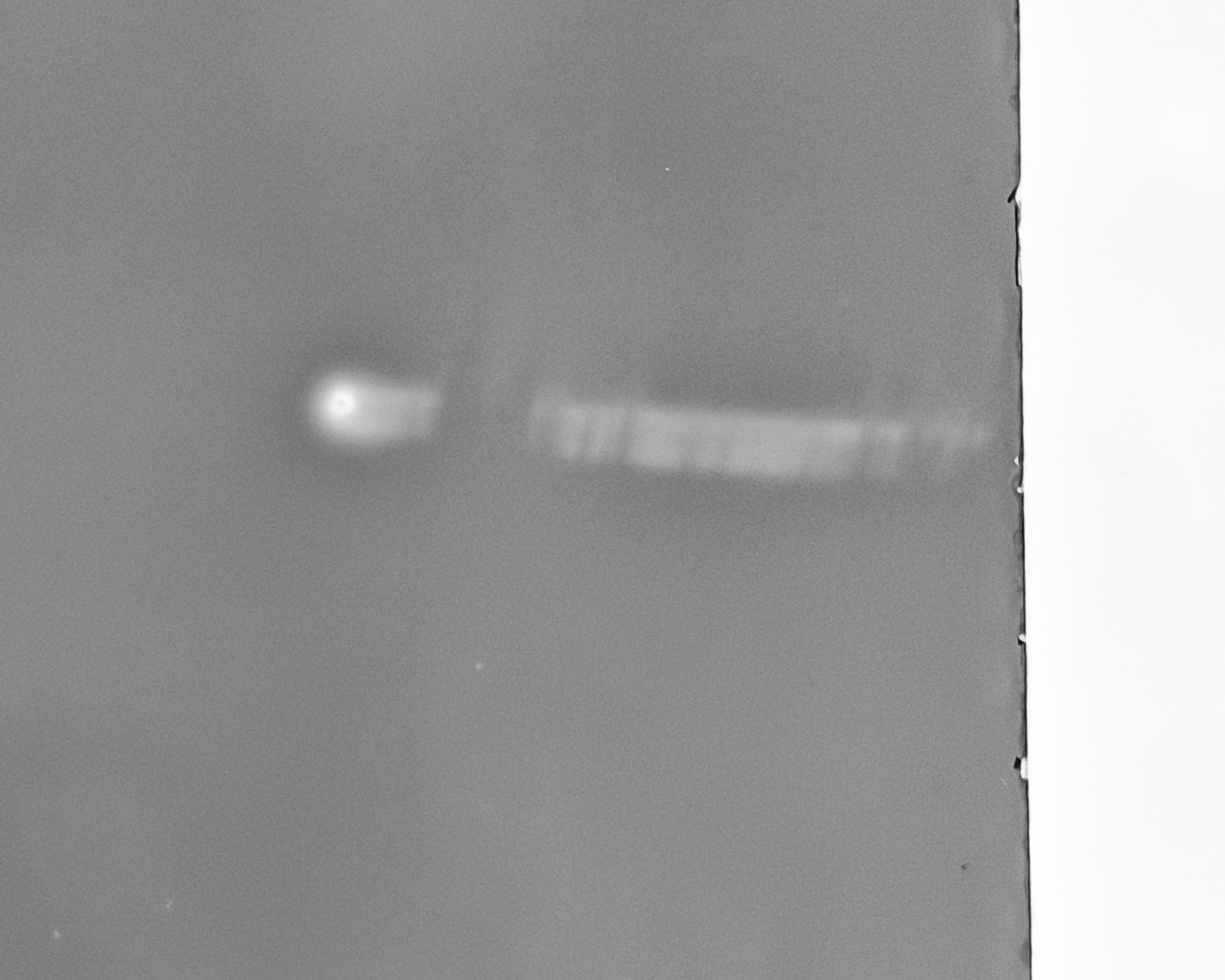
Eventually, something changed. Not perfection , but stability. Repeatability. Predictability. Trust. That is when a system becomes ready. Not because it produces a perfect result once, but because it produces the same high‑quality result again and again. This is the point we have now reached.
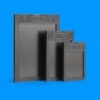
From this point forward, all Zebra dry plates are machine coated with a perfectly thin, uniform layer of ultra‑fine‑grain silver gelatin emulsion. For photographers, this means consistent sensitivity across the entire plate, predictable development behavior, stable coating thickness, cleaner edges, fewer defects, and long‑term emulsion stability. Not because the process is faster , but because it is controlled, repeatable, and precise.
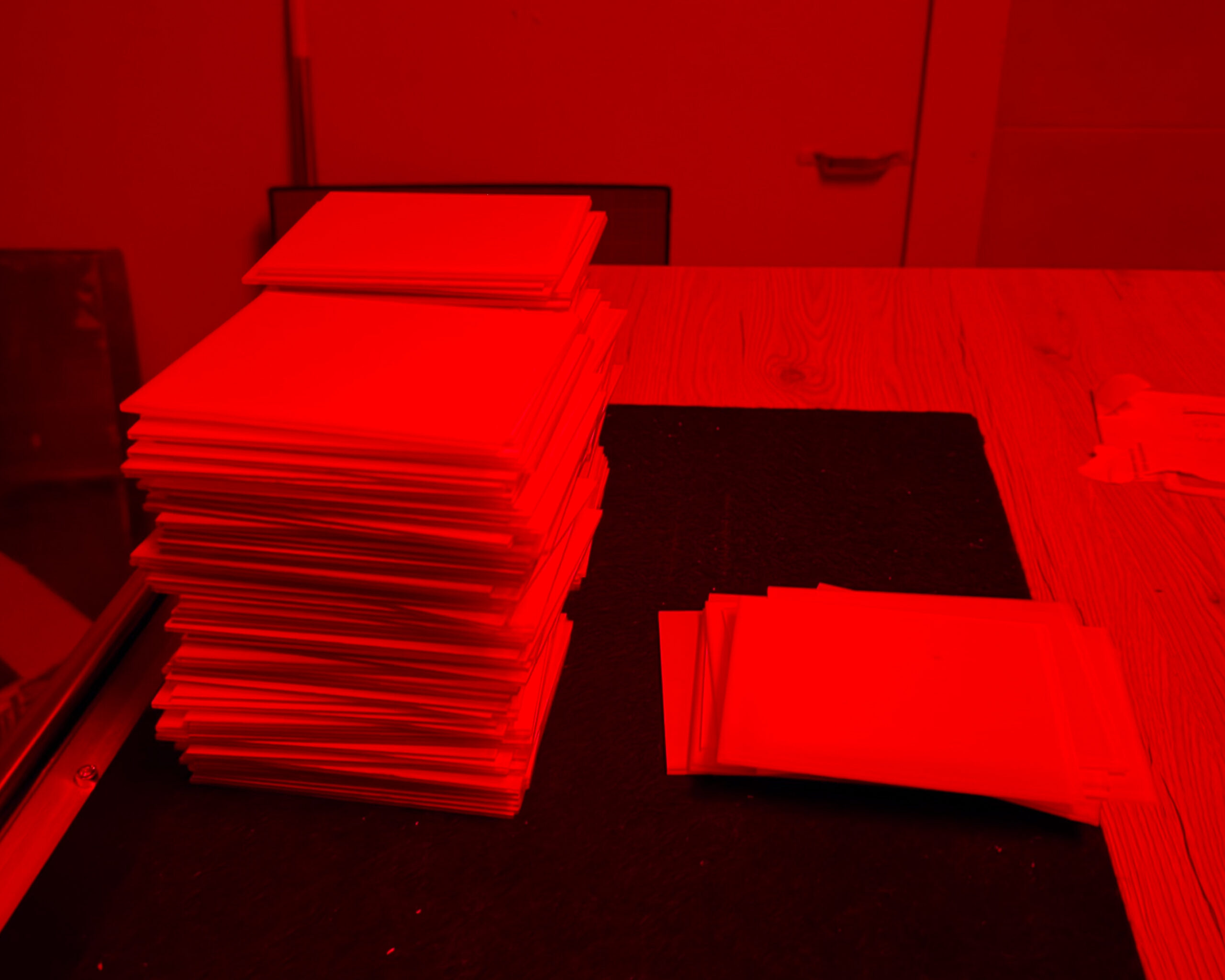
This is not about speed. It is about quality, reliability, and trust in the material. It is about giving photographers a plate they can depend on , technically, chemically, and artistically , without sacrificing the soul of handcrafted photographic materials.
Historic moment for dry plate photography!
At the same time, we are working just as intensively behind closed doors to expand the variety of plates we offer. At the moment, Zebra Dry Plates are coated with an ultra-fine-grain ISO 2 emulsion a material that works exceptionally well for many applications, especially for photographers who use dry plates for contact printing, where the near absence of visible grain becomes a major advantage.
But this is only the beginning.
Our long-term goal is to expand the range to include orthocromatic and panchromatic emulsions, with significantly higher sensitivities, while maintaining the same standards of coating quality, stability, and consistency. The coating machine is not just a production tool it is a research platform, enabling new emulsion development, testing, and refinement that simply was not possible before at this level of control.
After more than sixty years, machine-coated dry plates are once again available to photographers. Not as mass-produced industrial products, but as artist-driven materials created by a workshop that understands both the chemistry and the culture of analog photography. This is not a return to factories. It is the creation of a new model: small-scale precision manufacturing for analog artists.
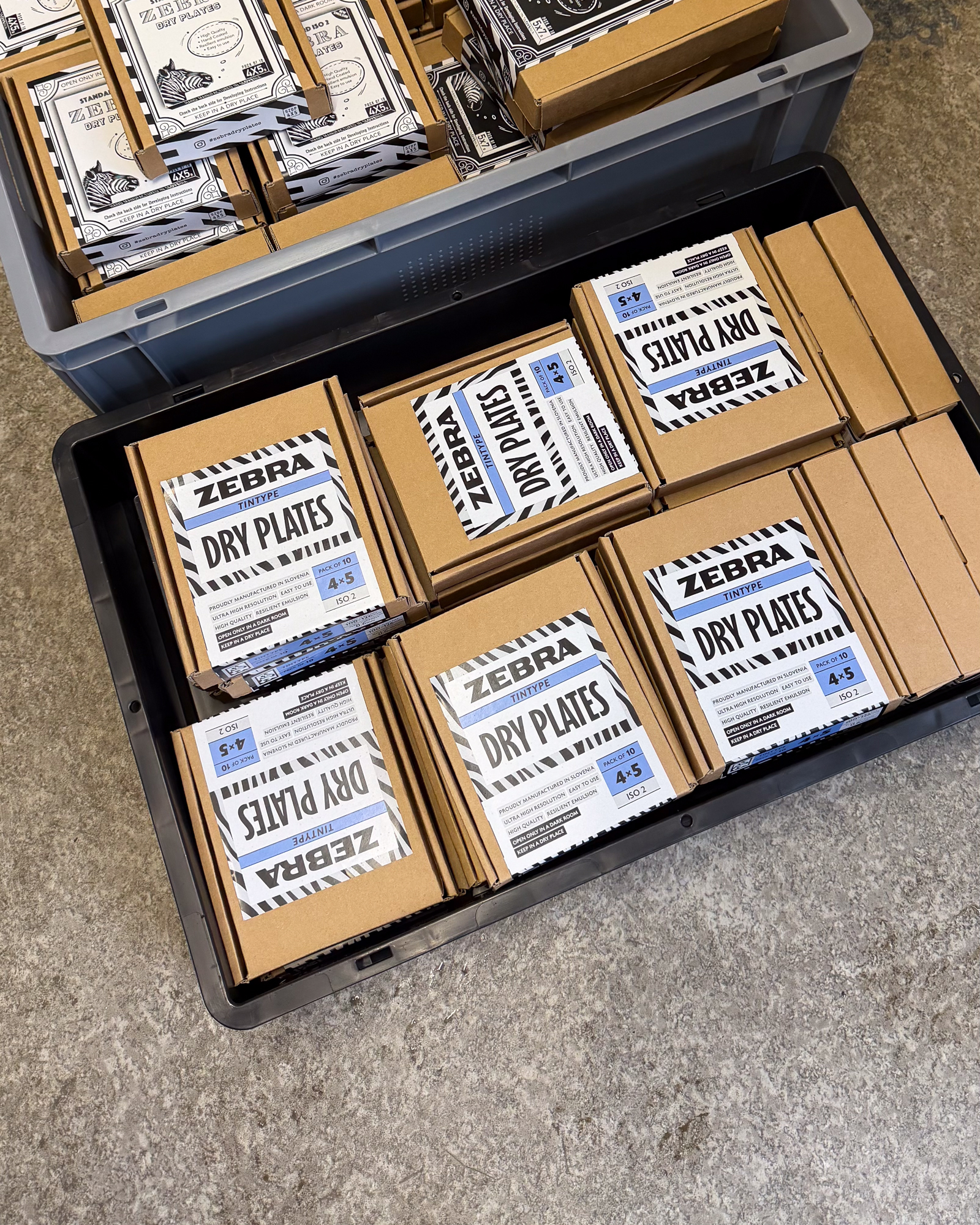
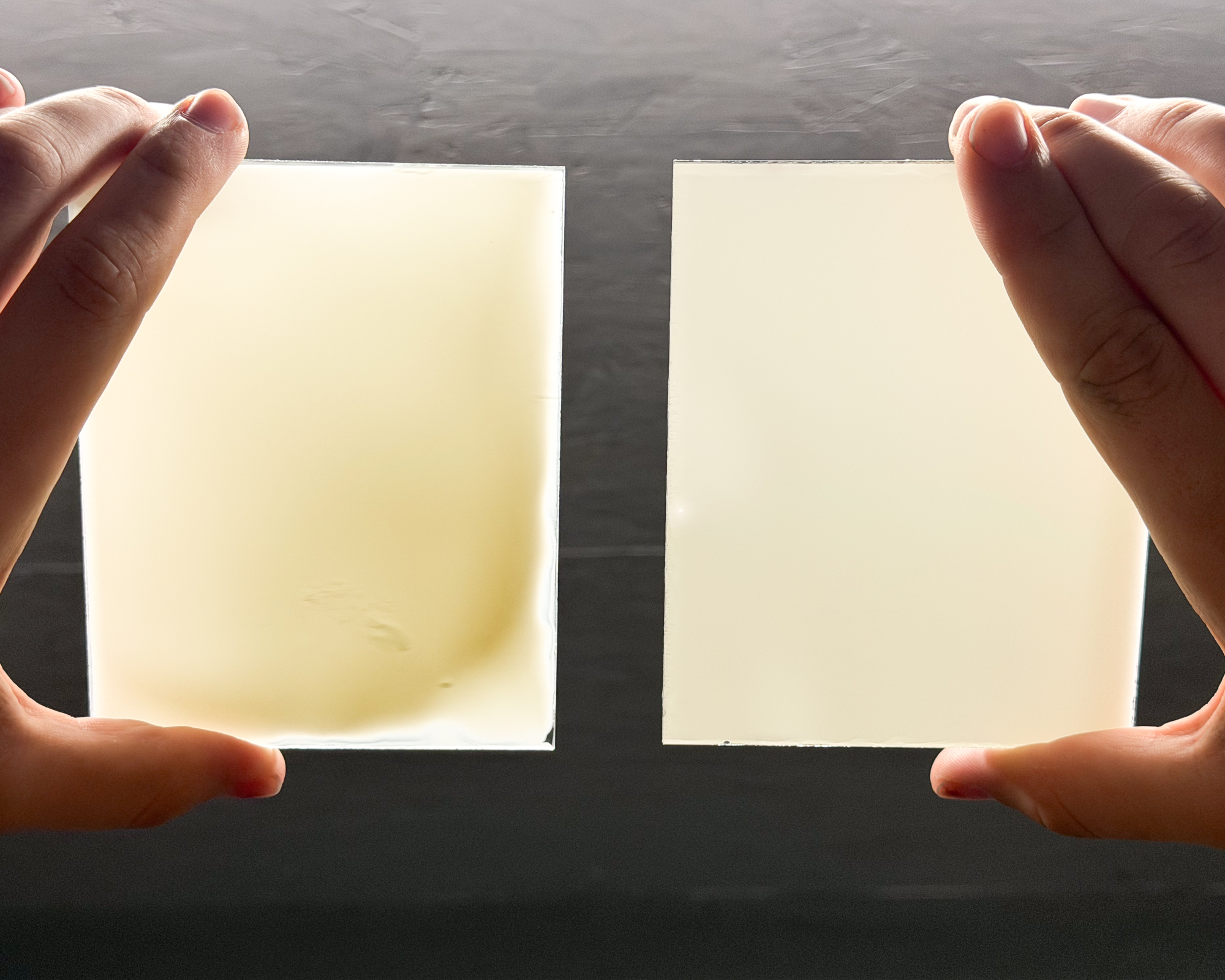
In parallel with this development work, we will soon introduce Zebra Test Plates, plates that show minor coating imperfections or cosmetic defects and therefore do not meet our strict quality standards for full-grade products. These plates will be offered at a reduced price and are intended specifically for testing, experimentation, learning, process calibration, workshops, and darkroom practice. They make it possible to explore dry plate processes freely, without the pressure of working only with premium-grade materials.
This way, Zebra Dry Plates can serve both ends of the spectrum:
premium-grade precision for final work, and accessible experimental material for learning and exploration.
Handcrafted chemistry, machine precision, human control, and artist‑driven production. This is not the end of craft. It is its evolution.